If you’re running a manufacturing floor, you know cooling systems are the unsung heroes of your safe equipment—they keep motors from overheating, prevent hydraulic lines from failing, and stop electronics from frying mid-shift. But here’s the thing: even the best cooling system can turn into a safety hazard if it’s not set up right, maintained properly, or monitored closely. As a Safe Manufacturing Equipment supplier, I’ve seen way too many shops cut corners on cooling care, leading to unplanned shutdowns, costly repairs, and even near-miss incidents. Today, I’m breaking down what actually works to keep these systems safe, no corporate jargon required. Safe Manufacturing Equipment
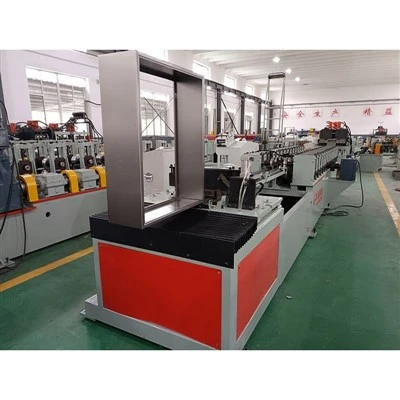
First, let’s talk about why cooling system safety matters, especially for the equipment we make. When a manufacturing machine overheats, it’s not just a broken part—risk levels go through the roof. For example, a metal stamping press cooling line that clogs can cause the die to warp, which might slip loose during operation and send debris flying. Or a PLC (programmable logic controller) for an automated assembly line that overheats can glitch, leading to misaligned parts or even uncommanded machine starts that endanger workers. A lot of our clients come to us after a scare like that, saying they never thought “water (or coolant) management” would be a safety issue, not just a maintenance one. So let’s start with the basics that most folks skip: the initial setup checks, because if you get the system right from day one, you’ll avoid 80% of the headaches later.
When we install cooling systems for our equipment, we don’t just hook up a hose and call it done. We do three non-negotiable pre-start checks that a lot of smaller shops miss. First, pipe sizing. I’ve seen installations where someone uses a pipe that’s too narrow to save a buck, and that’s a one-way ticket to clogs and overpressure. For any cooling loop, pipe diameter has to match the system’s flow rate—we calculate that based on the machine’s maximum heat load, ambient temperature where it’s running, and the type of coolant. For our heavy-duty presses, that means 2-inch schedule 40 PVC for water-based coolants, not 1.5-inch, because narrow pipes restrict flow and let heat build up fast.
Second, we install pressure relief valves on every loop, and not just any—size them for the exact maximum pressure our equipment can handle. A lot of suppliers skip these, but if a line clogs and pressure spikes, the pipe can burst, spraying hot coolant (or even oil, if you’re using an industrial coolant) on workers, or damaging the machine’s electrical components. We test each relief valve during startup, too—no just checking the label, we run the system at 110% of its normal pressure to make sure it triggers at the right level.
Third, we make sure there’s proper ventilation around the cooling unit itself. If the chiller or heat exchanger is stuffed against a wall, it can’t dissipate heat, so it works harder, runs longer, and wears out faster. For our cooling units, we specify at least 3 feet of clear space on all sides for airflow. I had a client last year who moved a chiller to save floor space, and within two weeks, the chiller’s compressor overheated and burned out—cost them a $12,000 repair and two days of downtime. That’s the kind of mistake we can avoid with simple setup steps.
Now, moving past installation: daily and routine checks that don’t take 2 hours. I get it, shop floors are busy, so people need quick, actionable steps, not 10-page checklists. We train our clients on a 10-minute daily walkthrough that catches 90% of potential issues. First, check the coolant level in the reservoir. If it’s low, don’t just top it off with tap water—we use pre-mixed coolant for our systems, because tap water has minerals that cause scale buildup in pipes, which clogs lines over time. I’ve seen a cooling system get so scaled up that flow dropped by 40% in six months, leading to a machine shutdown that cost the client $50,000 in lost production. So topping off means using the right coolant, not tap water.
Second, listen for weird noises. A hissing sound can mean a leak in a pipe or a faulty seal, and a grinding noise from the pump means it’s about to burn out. Workers don’t need to be mechanics to spot this—just a quick listen when they walk by. Last month, a client’s operator noticed a faint hissing and shut the system down before the leak flooded the electrical cabinet. That’s exactly the kind of small check that prevents big problems.
Third, check the temperature differential. For every cooling loop, the coolant should drop by 10-15 degrees as it goes through the machine. If that difference is less, that means the system isn’t transferring heat, which could be from a clogged filter or a failing pump. We use simple temperature gauges we install on our units, so workers can just read two numbers (in and out) and know if something’s off. No fancy data loggers required, though we do offer those as an upgrade for larger operations.
Then there’s regular maintenance, the stuff that’s easy to put off but critical. We recommend a quarterly deep clean for cooling systems, but not the “flush with a hose” kind. For our metal-equipment cooling loops, we use a non-corrosive descaling agent that’s safe for the pipes and machine parts, then inspect the filters every time. Filters are a big one—clogged filters restrict flow, so we tell clients to replace them every 3 months, or more often if the shop has a lot of dust or metal shavings in the air. I’ve seen a client skip filter changes for a year, and the filter got so packed with debris that it stopped most flow, leading to a motor overheating that had to be replaced. That’s a $3,000 filter vs. a $15,000 motor—easy call.
Also, pump maintenance. The pump is the heart of the cooling system, so it needs regular lubrication and vibration checks. We use industrial pumps that are built to last, but even the best pump needs its bearings checked twice a year. If a pump is vibrating more than normal, it’s going to fail soon, which can cause the entire cooling system to shut down. We include pump maintenance guides with every piece of equipment we sell, and we offer on-site tune-ups for clients who don’t have their own maintenance team.
Now, let’s talk about monitoring, because you can’t always be there to check the system. For smaller shops, we offer basic, low-cost sensors that alert you to high temperature, low coolant, or high pressure via a text or email. No fancy SCADA system required—just a $50 module that plugs into your machine’s control panel and sends alerts to your phone. For larger operations, we have integrated monitoring tools that track cooling system performance 24/7, so you can spot a clog before it causes a shutdown. A lot of our clients use these sensors now, and they say it’s cut unplanned cooling-related downtime by 70%.
But here’s a key point: cooling system safety isn’t just about equipment—it’s about training. We give every client’s operators and maintenance team a hands-on training session when we install our equipment, not a 30-minute video. We walk them through how to check the coolant, listen for issues, and shut down the system safely if there’s a problem. I’ve had clients tell me that the training made all the difference—one operator caught a coolant leak because they knew what a faulty seal sounded like, even though it was behind a panel they’d never opened before.
I should also mention what not to do. Don’t ignore small leaks—even a tiny drip can turn into a big flood that damages electrical parts or causes a slip hazard. Don’t mix coolants—different types have different additives, and mixing them can cause sludge buildup in the lines. Don’t run the system without a filter—even a small particle can get stuck in a pump and cause it to fail. These are all common mistakes that are easy to avoid, but they’re the ones that lead to most cooling-related incidents.
At the end of the day, cooling system safety for our equipment is about being proactive, not reactive. We build our machines with safety as a top priority, but the system only stays safe if you maintain it right. If you’re running a manufacturing floor and want to make sure your cooling systems are up to par, or if you’re looking for new safe manufacturing equipment that’s built with cooling safety in mind, reach out to our team to connect on procurement talks. We don’t do one-size-fits-all solutions—we work with each client to build a cooling setup that fits their space, their equipment, and their safety needs.
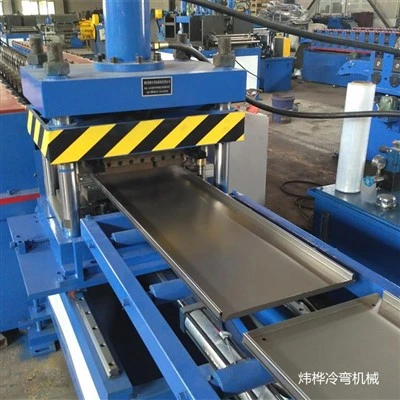
Let’s wrap this up: cooling systems don’t have to be a headache. With the right initial setup, quick daily checks, regular maintenance, and basic monitoring, you can keep them running safe for years. Don’t wait for a near-miss to start paying attention—small steps now save you from big problems later.
Electrical Cabinet Profile Production Line References
- Occupational Safety and Health Administration (OSHA). (2022). Guidelines for Machinery and Equipment Safety in Manufacturing Facilities. U.S. Department of Labor.
- International Organization for Standardization (ISO). (2021). ISO 13849:2021 – Safety of Machinery – Safety-Related Control Systems. ISO.
- American Society of Mechanical Engineers (ASME). (2020). ASME Cooling System Safety Standards for Industrial Equipment. ASME International.
- National Institute for Occupational Safety and Health (NIOSH). (2023). Preventing Overheating-Related Hazards in Manufacturing Operations. U.S. Centers for Disease Control and Prevention.
- Equipment Maintenance and Reliability Association (EMRA). (2022). Best Practices for Industrial Cooling System Maintenance. EMRA.
Weifang Yue Jun Machinery Co., Ltd.
With abundant experience, we are one of the most professional safe manufacturing equipment manufacturers in China. We warmly welcome you to buy durable safe manufacturing equipment made in China here from our factory. We also accept customized orders.
Address: Kuiwen District, Weifang City, Shandong Province
E-mail: adrian@yuejunmachinery.com
WebSite: https://www.yuejunmachinery.com/
