If you’ve ever driven through a downtown business district, waited to unload a pallet of supplies, or pulled over briefly to drop off a parcel, you’ve probably seen a loading zone sign and thought, That’s for trucks, right? It’s a simple assumption, but if you run a traffic signs supply company like I do, I’ll tell you there’s far more science, nuance, and behind-the-scenes logic that goes into those signs than most people realize. When I first started in this industry 12 years ago, I thought loading zones were just “parking spots for big vehicles.” Over thousands of orders, dozens of conversations with city planners, and countless site visits, I’ve learned that a loading zone sign is one of the most precise tools in traffic management—designed to balance the needs of freight, local businesses, and daily commuters all at once. Traffic Signs
Let’s start with the basics: what a loading zone sign isn’t. It’s not a free-for-all stop. It’s not a spot for a family minivan to grab coffee, or a moving truck to park for 45 minutes while you carry furniture. A properly designed loading zone sign establishes a clearly defined, time-restricted space for the sole purpose of loading and unloading goods, materials, or people (more on that passenger exception later). The science behind this boils down to traffic flow efficiency, a field that has been refined over decades to reduce congestion, prevent collisions, and support local commerce. City engineers don’t just guess at the size, time limit, or placement of these signs—they rely on data: how many deliveries a block receives per hour, how much curb space is needed to serve adjacent shops, and how much driver wait time is acceptable before a small business loses a customer.
Take, for example, standard commercial loading zone signs you’ll see in most U.S. cities. The white rectangular sign with black text that reads “LOADING ZONE” almost always has a supplementary sign below it with time restrictions—often 15, 20, or 30 minutes, depending on the location. Why 15 minutes? That’s the average time it takes to unload a standard 20-foot delivery truck: a driver can pull up, open the rear door, hand off a parcel or roll out a hand truck, and get back on the road without disrupting adjacent traffic. In dense urban areas like Manhattan or Chicago, where curb space is at a premium, engineers will even adjust that time to 10 minutes to cut down on double-parked cars. In suburban business parks, where deliveries are less frequent and drivers have more space to maneuver, you’ll often see 30-minute loading zones to accommodate bulk deliveries, like a grocery store restocking its shelves or a contractor dropping off building materials.
There’s also the often-overlooked difference between passenger loading zones and freight loading zones, a detail that trips up a lot of drivers. A blue loading zone sign (versus the standard white) usually indicates a zone for passenger vehicles only: taxi cabs, ride-share drivers, or bus passengers. These also have time limits—often two to five minutes—because they’re designed for quick drop-offs or pickups, not for loading luggage or people with disabilities. For the disabled, there’s a separate sign: the blue wheelchair symbol, which marks a parking space specifically for people with mobility impairments, not regular loading. That’s a key point for our company, by the way. We don’t just supply generic signs; we work with clients to make sure each sign matches local regulations, so they avoid tickets and keep their curb access compliant. I still remember a small café owner who ordered a set of freight loading signs last year, but accidentally ordered passenger loading signs instead. We caught the mistake before they installed them, and walked him through the difference—he told us that mix-up would’ve cost him hundreds in fines and lost delivery time if he’d put the wrong signs up.
Another common misconception is who qualifies to use a loading zone. A lot of people think any commercial vehicle can use a freight loading zone, but that’s not always true. Some signs restrict use to vehicles over a certain weight—usually 10,000 pounds, which covers standard delivery trucks, box trucks, and moving vans. Small vehicles, like pickup trucks used for personal use, can’t park there for loading unless the sign specifically says “no weight restriction.” Even more specific: some loading zone signs are marked “residential loading,” which means they’re for contractors or movers working at a nearby apartment building, while “commercial loading” is for shops and offices. This level of specificity is what makes our industry so important. When a city orders 50 loading zone signs for a new development, they don’t want a one-size-fits-all sign—they want signs that meet their exact traffic needs, which is why we work directly with municipalities, construction companies, and property managers to get every detail right.
The placement of a loading zone sign is just as important as the sign itself, and it’s a science. Engineers don’t slap a sign up anywhere; they measure the distance from intersections, crosswalks, and driveways. A loading zone within 20 feet of a crosswalk, for example, would block pedestrians’ visibility, so that’s off-limits. They also space loading zones so that no two zones are too close together—usually at least 500 feet apart in urban areas, so that delivery drivers don’t have to compete for the same spot. We often help clients with this: when a downtown developer builds a new shopping center, we’ll send our team to measure the curb space, map out where the signs should go, and make sure they’re installed at the right height and angle to be visible to drivers from both directions. I’ve seen signs installed too low, so a driver in a large truck can’t read the text, or too high, so it’s hard for someone to spot from a side street. That’s not just bad for compliance—it creates safety risks. A driver who can’t see a loading zone sign might park illegally, block traffic, or get into a collision.
There’s also the legal side, which ties directly to what a loading zone sign indicates. If you park in a loading zone outside of the allowed time, or you’re not using it for loading/unloading, you’re almost always subject to a ticket. In most cities, that ticket ranges from $50 to $150, and it adds up fast if you’re a driver who makes a habit of it. I’ve had a lot of delivery drivers come to us after getting a ticket, asking if they can get a sign for their company’s parking lot, or if we can help them adjust their route to avoid no-loading zones. It’s why we emphasize education as much as supply—we don’t just sell signs; we help our clients understand what each sign means, so they can use them correctly.
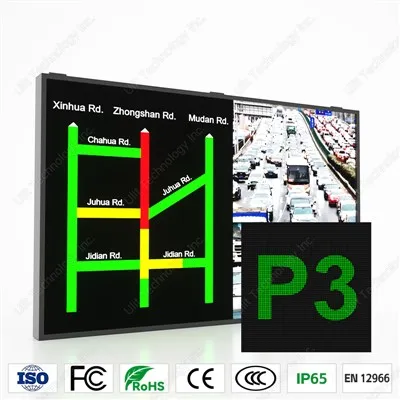
One of the most interesting parts of working with traffic signs is seeing how loading zone signs evolve as cities grow. A decade ago, most loading zones were static: same time limits, same weight restrictions, no flexibility. Now, with the rise of e-commerce, same-day delivery, and electric scooters, cities are adding dynamic loading zone signs—signs that use LED lights to change time limits based on the time of day. For example, a loading zone might allow 15 minutes during peak hours (7–9 a.m. and 5–7 p.m.) to keep traffic moving, and 30 minutes during off-peak hours (10 a.m.–4 p.m.) to accommodate large deliveries. We’ve started supplying these dynamic signs to a number of cities in the last few years, and it’s been a game-changer. Local businesses tell us they get fewer delivery delays, and commuters say they see less double-parked traffic during rush hour. That’s the kind of innovation we’re proud to be part of—helping cities adapt their traffic signs to modern needs.
I often get asked, “Why can’t loading zones just be all the same?” The answer comes down to the fact that every block is different. A block with a coffee shop and a boutique clothing store might have one delivery a day, so a 30-minute loading zone works. A block with a grocery store that gets 20 deliveries a day needs a 15-minute zone to keep the curb turning over. A residential block might have loading zones for moving trucks and contractors, with no passenger vehicles allowed. When you consider that 80% of urban congestion comes from curb-related activities (like illegal parking, double-parking, and blocked loading zones), it’s easy to see why those small differences matter. A well-placed, clearly marked loading zone sign doesn’t just prevent tickets—it keeps a city running smoothly.
At the end of the day, a loading zone sign is more than a piece of metal with text on it. It’s a tool that supports small businesses, makes deliveries easier, keeps traffic moving, and keeps everyone safe. As someone who’s been in the traffic signs supply business for years, I’ve seen how a well-executed set of loading zone signs can turn a chaotic block into an efficient one. If you’re a city planner, a property manager, or a business owner looking to install or update your loading zone signs, we have the expertise to help you. Whether you need standard signs, dynamic LED signs, or customized signs tailored to your specific location, we can work with you to get exactly what you need. Don’t let incorrect or poorly placed loading zone signs cause fines, congestion, or safety risks. Reach out to our team today to discuss your project, and let’s make sure your curb space works for everyone.
Triangle Road Sign References:
- Federal Highway Administration. "Manual on Uniform Traffic Control Devices (MUTCD)". U.S. Department of Transportation, 2022.
- Institute of Transportation Engineers. "Urban Curb Space Management Best Practices". ITE Journal, 2021.
- National Parking Association. "Loading Zone Regulations and Compliance". NPA Annual Report, 2023.
- City of Chicago Department of Transportation. "Curb Space Allocation and Loading Zone Standards". City of Chicago, 2022.
- American Traffic Safety Services Association. "Traffic Sign Installation and Maintenance Guidelines". ATSA, 2021.
Ulit Technology Inc.
As one of the most experienced traffic signs manufacturers and suppliers in China, we offer a wide range of products with superior quality. We warmly welcome you to wholesale bulk durable traffic signs from our factory. If you have any enquiry about cooperation, please feel free to email us.
Address: NO.2 Mudan Road, Nan’an District, Chongqing, China
E-mail: cqulit@sina.com
WebSite: https://www.ulitcn.com/
