If you’ve ever stood at the helm of a construction site, watched a truck rumble down a highway, or even snapped on a wrench to fix a household appliance, there’s a good chance iron casting machining was the hidden hero making that moment work. I’ve been in the iron casting machining game for over 12 years now, and let me tell you—most people have no idea how many industries rely on this stuff. It’s not just about pouring molten metal into a mold and calling it a day; it’s a whole process that turns raw iron into parts tough enough to hold up to some of the most brutal conditions on the planet. Today, I want to break down the real-world uses of iron casting machining across different sectors, from the biggest construction sites to the tiniest factory lines, and why this is still one of the most trusted manufacturing methods out there. Iron Casting Machining
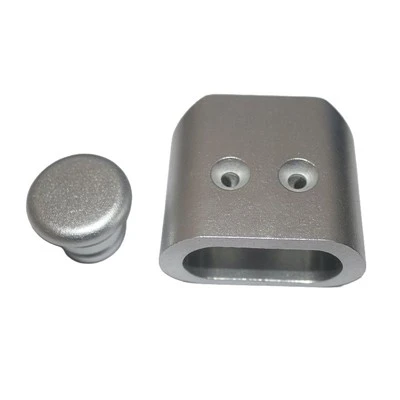
Let’s start with the industry that’s basically the backbone of modern civilization: construction. You can’t build a skyscraper, a bridge, or even a school without heavy equipment, right? The bulldozers that push dirt, the cranes that hoist steel beams, the excavators that dig foundations—every single one of these machines has dozens of iron casted and machined parts that keep them running. Take the engine blocks in those bulldozers, for example. They need to withstand extreme heat, constant vibration, and tons of torque. Casting iron lets us make those blocks in complex shapes that would be impossible (or way too expensive) to machine from a solid hunk of metal, and then we machine them to tight tolerances so everything fits just right. I recently worked on a project for a construction equipment company that needed custom casted iron tracks for their mini-excavators. Those tracks have to grip muddy, rocky terrain all day, and the machining work we did on the linkages made sure they didn’t wear out after a few months. Even smaller stuff, like the brackets that hold scaffolding together or the hinges for large industrial doors, are often iron cast and machined because iron is cheap, strong, and can be shaped exactly how you need it.
Next up: the automotive industry. This is probably the most well-known use for iron casting machining, but there’s way more to it than just engine blocks. Yeah, old-school cars used cast iron for engines, and that’s still true for trucks and heavy-duty vehicles, but we also make parts like brake calipers, transmission housings, suspension components, and even steering knuckles out of cast iron. Wait, why iron instead of aluminum? For one thing, iron is way more durable when it comes to heat and stress. Brake calipers get super hot when you hit the brakes hard, right? Cast iron holds up to that heat way better than aluminum, and the machining work we do gives the calipers the smooth, precise surface they need to seal properly and work without leaks. I talked to a local auto parts manufacturer last month who was switching from steel to cast iron for their heavy-duty truck brake rotors. The iron cast version was 20% cheaper to produce, and our machining process reduced vibration by 15%—that translates to a smoother, safer ride for truck drivers. Even electric vehicles (EVs) use iron cast parts now, believe it or not. The motor housings in a lot of EVs are cast iron because they need to dampen noise and protect the motor from road debris.
Moving on to heavy machinery and industrial manufacturing, which is where iron casting machining really shines for custom, low-volume parts. Factories that make everything from food processing equipment to agricultural machinery rely on cast iron parts all the time. Let’s talk about agriculture first—farmers need equipment that works 12 hours a day in the sun, rain, and mud, so it has to be tough. The plows that turn soil, the gearboxes in tractors, the pulleys for conveyor belts that move grain—all of these are iron cast and machined. I had a client a couple years back who makes custom farm equipment for small family farms. They couldn’t find off-the-shelf parts for a modified harvester they were building, so we cast a custom iron gear housing and machined it to fit their exact specs. That gearbox ended up being 30% stronger than the aluminum one they were testing, and it’s still working perfectly three years later. For food processing, iron cast parts have to be easy to clean and resistant to corrosion. We use a special type of cast iron called ductile iron for a lot of these parts, and our machining process creates a smooth surface that doesn’t harbor bacteria, which is super important for FDA compliance. Stuff like the impellers in meat mixers or the rollers in canning lines are all iron cast, because they can take the constant wear from food and the harsh cleaning chemicals.
Then there’s the energy sector, which is blowing up right now with the push for renewables and oil and gas. Wait, iron casting machining is huge here. For oil and gas, you have components like valves, pumps, and wellhead equipment that have to handle high pressure, extreme temperatures, and corrosive fluids. Cast iron is resistant to that kind of wear better than most other metals, and machining those parts to precise tolerances ensures they don’t leak or fail in the middle of a job—something that could be catastrophic out on a drilling site. On the renewable side, wind turbines are a big one. The gearboxes in wind turbines are massive, and the housings and gears inside them are often cast iron. Those turbines have to spin 24/7, sometimes in harsh, windy conditions, so the parts have to be reliable. We’ve worked with a few wind energy companies over the years to make custom cast iron parts for their turbine maintenance kits—stuff that’s easy to replace when a turbine is out in a remote field. Even solar farms use iron cast parts, like the brackets that hold the solar panels in place. Those brackets need to hold up to wind, snow, and rust, and cast iron is perfect for that because it can be coated to resist corrosion and is super strong.
I can’t forget about the aerospace and defense industry, either. Wait, a lot of people don’t realize this, but iron casting machining is used here too—though it’s a specialized niche. Defense equipment, like tanks, military trucks, and artillery systems, need parts that are almost indestructible. Cast iron has a high tensile strength, so it can take a lot of impact, and we machine parts for things like tank engine components, ammunition casings, and even the brackets for military communications gear. In aerospace, it’s more for backup components, like engine mounts that need to dampen vibration, but cast iron is still used because it’s cheaper and more durable than other metals for those specific jobs.
A lot of people ask me if we’re still using this old-fashioned process when there are all these new metals and 3D printing around. Let me tell you—iron casting machining is more relevant than ever. Why? Because it’s cost-effective for both low and high volume, it produces parts that are way stronger than most 3D printed ones for industrial use, and you can make parts in almost any shape you need. Yeah, 3D printing is great for prototypes, but when you need a part that will run 10 hours a day for 10 years, cast iron is the way to go. And the machining part? That’s what makes the cast part usable. A rough cast part is good for nothing—you have to machine the edges, the holes, the fitting surfaces to tight tolerances so everything works together. I’ve seen companies try to skip the machining step and just use a cast part straight from the mold, and it always ends in disaster—leaks, breakdowns, expensive repairs.
Now, let’s talk about why choosing the right iron casting machining supplier matters. Not all of us do this well. A lot of shops will just cast a part and machine it quickly, cutting corners on quality to save a buck. But I’ve been doing this long enough to know that the best results come from paying attention to every step: the mold design, the iron composition (gray iron, ductile iron, malleable iron—they all have different uses), and the machining process itself. We work with clients to understand exactly what they need—whether it’s a one-off custom part for a small business or 10,000 parts for a big construction company—and we adjust our process to meet their needs. We do quality checks at every stage, too, because a bad part can shut down an entire factory or construction site, and that’s not something we take lightly.
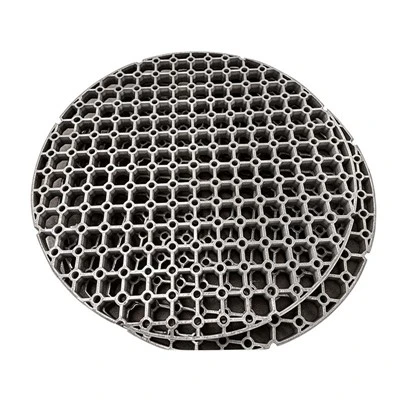
At the end of the day, iron casting machining is one of those manufacturing methods that’s been around for centuries, but it’s still evolving. We’re using new technologies to make molds faster, better, and more precise, and we’re working with different iron alloys to make parts even stronger and more corrosion-resistant. But the core of it is still the same: turning raw iron into parts that keep the world moving. If you’re a business owner, a project manager, or an engineer who needs iron cast and machined parts for your industry—whether it’s construction, automotive, agriculture, energy, or anything else—we can help. We don’t just sell parts; we work with you to find the right solution for your specific needs, on time and on budget. If you’re looking for a reliable iron casting machining partner, don’t hesitate to reach out. We can chat through your project, answer any questions you have, and give you a quote that makes sense.
Steel Casting Machining References:
- Campbell, J. (2015). Casting Materials: Processes, Properties, and Applications. Butterworth-Heinemann.
- ASM International. (2008). Iron Castings Handbook. ASM International.
- Kalpakjian, S., & Schmid, S. R. (2020). Manufacturing Processes for Engineering Materials. Pearson.
- National Institute of Standards and Technology (NIST). (2022). Additive Manufacturing vs. Traditional Casting: Performance and Cost Comparisons for Industrial Components.
Ningbo Yirui Machinery Manufacturing Co., Ltd.
As one of the most professional iron casting machining manufacturers and suppliers in China, we’re featured by quality products and good price. Please rest assured to wholesale durable iron casting machining made in China here from our factory. Customized orders are welcome.
Address: No.107, Wanzhong Village, Jishigang Town, Haishu District, Ningbo City
E-mail: James.he@yiruitek.com
WebSite: https://www.yiruime.com/
