If you’ve ever worked with architectural or structural steel, odds are you’ve heard of JIS Corten steel—one of the most reliable materials for exterior applications, loved by architects for its warm, rusted patina that deepens over time and its long lifespan that outperforms standard carbon steel by decades. As a JIS Corten steel supplier with over 12 years in the game, I get asked all sorts of questions about this material, but one that comes up more often than I expected is: “What happens if I store JIS Corten steel indoors?” JIS Corten Steel
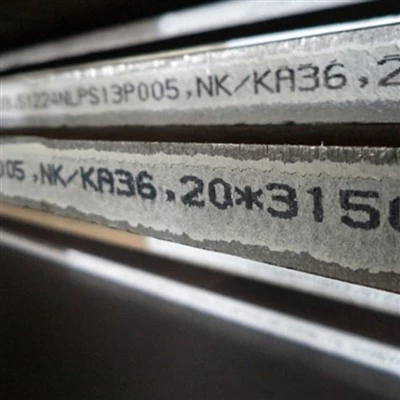
First, let’s get one thing straight: JIS Corten steel is engineered to weather outdoors. Its entire design, chemistry, and intended use revolve around being exposed to the elements—rain, sun, humidity, temperature swings, even mild salt spray in coastal areas. That’s where it develops its signature protective patina, a dense, stable layer of iron oxide that forms over a period of 1 to 3 years once it’s acclimated to outdoor conditions. That patina is what makes Corten so special: it stops further corrosion from penetrating the steel’s core, so you don’t get the pitting, flaking, or structural weakening that would happen with regular steel left outside. It’s like a built-in raincoat, but it only works if the rain can actually reach it.
So when you bring Corten indoors, you’re taking away the very conditions it needs to develop and maintain that protective layer. Let’s break down what actually happens, step by step, because it’s not all doom and gloom—there are a few surprises here, even for people who’ve been working with this material for years.
First, immediate surface changes. If you take a fresh, unweathered sheet or beam of JIS Corten steel straight from our warehouse and store it indoors, the first thing you’ll notice is that it stops working the way it’s supposed to. Fresh Corten has a very thin, unstable oxide layer when it’s manufactured, designed to kickstart the patina process once exposed to outdoor moisture and oxygen. Indoors, where humidity levels are usually controlled (think 30-50% for most offices, warehouses, or homes), that thin layer doesn’t get enough moisture to continue forming the dense, stable patina. Instead, it just sits there, a faint, dull gray or light brown that doesn’t deepen. It doesn’t turn into that rich, rusty orange everyone associates with Corten—It just looks like a slightly off-colored piece of steel, not the striking, weathered metal you paid for.
Wait, but what if your indoor space is humid? Maybe you’re storing Corten in a damp warehouse, or a basement with high humidity (60% or more) and poor ventilation. That’s where things start to shift, and not in a good way. JIS Corten is formulated with small amounts of copper, chromium, and nickel—those are the alloying elements that let it form the protective patina. But if you store it in high humidity without the regular, alternating exposure to rain and sun that helps that patina form, you’ll get something way worse than the static gray dullness. You’ll get uniform, thin corrosion that’s not the protective kind. It will look like a light, powdery rust that covers the entire surface, and it won’t stop there because it’s not forming that stable oxide layer. In some cases, if the steel is stacked against other materials that trap moisture, you’ll get localized pitting—small, deep holes in the surface where corrosion is eating away at the steel’s core. That’s a problem because pitting can weaken structural integrity over time, especially if you’re using this steel for beams, panels, or other load-bearing components.
I remember a client a few years back—they were a small architecture firm in Chicago, working on a public plaza project. They ordered 12 JIS Corten steel bench panels from us, meant to be installed outdoors once the plaza’s concrete base was finished. But the concrete work got delayed by three months, so they stored the panels in a locked, unheated warehouse downtown. The warehouse had a leaky roof that caused the floor to stay damp most days, and there was no air circulation, just stacks of panels leaning against each other. When they finally came to pick them up, the surprise wasn’t good: the panels that were on the bottom of the stack had developed uniform powdery rust, and a couple had small pitting spots where moisture had gotten trapped between the metal and the concrete floor they were sitting on. We had to work with them to sand down the affected areas, apply a quick patina accelerator (a specialty solution we supply for sites that need uniform coloring fast), and then send them out immediately to the plaza, where they finished weathering correctly once exposed to the elements. That’s a perfect example of what happens when you store Corten indoors without proper conditions: it doesn’t just look bad, it can require extra work to get it back to its intended state.
But here’s another thing that most people don’t realize: if you store already weathered JIS Corten steel indoors, the changes are even more noticeable, and often permanent. Let’s say you have a Corten wall panel that’s been outside for two years, has that rich, stable patina, and you need to move it indoors temporarily for a trade show or a remodeling project. What happens when you bring it inside? The patina was designed to form and stay in a cyclic outdoor environment—wet days, dry days, temperature changes. Indoors, the air is usually much drier, and it’s not exposed to the same natural weather fluctuations. Over time, that stable oxide layer starts to fade. It becomes dull, powdery in spots, and some areas might even flake off, revealing the lighter gray steel underneath. I’ve seen a weathered Corten sculpture that was moved to an indoor lobby for six months lose almost half its color intensity, turning from deep rust to a pale, washed-out orange that nothing could fix when it was put back outside. The patina doesn’t just “reset” once it’s been indoors—it’s damaged, because it’s no longer getting the regular cycles of moisture and oxygen that keep it stable.
Now, before you start thinking, “Wait, so can I never store Corten indoors at all?” That’s not true. It’s all about how you store it, and what you’re doing with it. If you’re storing unweathered Corten steel for a short period (a few weeks to a couple months) in a controlled, dry, well-ventilated space, you can avoid most of the issues we talked about. The key here is two things: moisture control and air flow. If the space is consistently below 50% humidity, and the steel isn’t touching any concrete or other materials that can trap moisture, you won’t get that powdery rust or pitting. But even then, you’re missing out on the chance for it to develop that signature patina—so if you’re storing it long-term (more than three months), you’re better off keeping it outdoors, even just covered with a breathable tarp that lets air circulate (don’t use plastic, that traps moisture) to kickstart the patina process.
Another point: JIS Corten steel isn’t the same as regular steel, so the way it reacts indoors is different from what you’d expect with carbon steel. Regular steel will rust rapidly indoors if there’s any moisture, turning to thick, flaking rust that weakens it quickly. Corten’s alloy elements mean it’s more resistant to indoor corrosion than regular steel, but it’s not immune, especially when you’re storing it for long periods. I’ve had a few clients who stored Corten for a full year in a damp storage unit, and even though it didn’t get pitted, it developed such a thick, dull surface layer that it took three times longer to develop its outdoor patina once installed. That’s a delay in your project timeline that can add up to extra costs, especially if you’re working on a tight deadline.
Let’s also talk about why this matters to you, as someone considering using Corten. I’m not just here to list problems— I’m here, as a supplier, to give you real, actionable advice that saves you time and money. If you’re planning to use JIS Corten steel for a project, first figure out your timeline: if you’re not installing it within three months, keep it outdoors in a semi-protected area (not directly on the ground, elevated on pallets so air can circulate underneath) to let the patina start forming naturally. If you absolutely have to store it indoors, make sure the space is dry, well-ventilated, and keep each piece separated so air can get between them—no stacking tight, no leaning against concrete walls. And if you need to store already weathered Corten indoors, limit it to short periods (under three months) maximum, and keep it in a space that has some exposure to natural light, if possible, to slow down the fading.
I’ve worked with architects, contractors, and DIYers across the country, and one of the biggest mistakes I see people make is assuming that Corten is “indestructible” in all conditions. It’s not—its superpower is the outdoor patina, and take that away, or mess with the conditions it needs to form that patina, and you end up with steel that doesn’t perform the way you paid for it. That’s why we always include storage guidelines with every JIS Corten steel order we ship, tailored to the grade and quantity, because we’ve seen firsthand what happens when you ignore those guidelines.
For example, a contractor in Austin ordered 20 beams for a commercial building project, and decided to store them in his garage to keep them safe from theft, instead of the empty lot he had planned. His garage is dry, well-ventilated, so the beams were fine for the two months he stored them. When he installed them, they developed their patina in about 18 months, which was actually a little faster than average, because the dry indoor storage meant no initial corrosion layer to fight through. That’s a win, but that’s the exception, not the rule. Most of the time, short-term, dry indoor storage is fine, but long-term is not ideal.
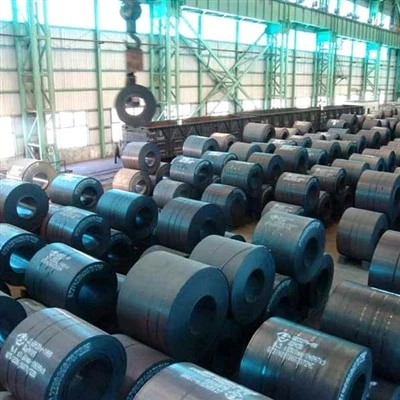
So to wrap this up: Storing JIS Corten steel indoors isn’t inherently a disaster, but it does change its performance and appearance, depending on how and how long you store it. Fresh Corten will develop a dull gray surface instead of its signature rust patina. High-humidity indoor storage can lead to powdery, non-protective corrosion and even pitting, weakening the steel. Already weathered Corten will fade and lose its protective layer over time, often permanently. Short-term, dry, well-ventilated indoor storage works, but if you want to get the full benefit of Corten’s durability and appearance, it’s meant to spend most of its life outdoors.
Corten Steel At the end of the day, JIS Corten steel is an investment. It’s designed to last 50+ years outdoors, with minimal maintenance, and look great the whole time. Storing it indoors is a choice that can work for you, but only if you do it right. If you’re planning a project, need help figuring out the best way to store your Corten steel before installation, or have questions about grades, patina accelerators, or anything else related to JIS Corten, don’t hesitate to reach out. We’re here to make sure your Corten project turns out exactly as you planned, no surprises, no delays, no extra costs.
References
- Japanese Industrial Standards Committee. (2012). JIS G3125: Rolled Steels for Weather-Resistant Applications.
- ASM International. (2005). Corrosion of Carbon and Low-Alloy Steels.
- The Corten Steel Institute. (2019). Outdoor Application and Storage Guidelines for Weathering Steel.
- Architectural Steel Council. (2021). Best Practices for Specifying and Installing Weathering Steel.
Gnee Steel (Tianjin) Co., Ltd.
As one of the most professional jis corten steel manufacturers and suppliers in China, we also support customized service with low price. We warmly welcome you to buy high quality jis corten steel in stock here from our factory. If you have any enquiry about free sample, please feel free to email us.
Address: No.4-1114, Beichen Building, Beicang Town, Beichen District, Tianjin, China
E-mail: alloy@gneesteelgroup.com
WebSite: https://www.chinavesselplates.com/
