Can Traffic Cones Be Used for Traffic Direction?
If you’ve ever stood on a construction lane early in the morning, watched a parade round a corner, or navigated a school drop-off zone at 3 p.m., you’ve probably seen traffic cones. As a supplier who’s spent years selling these colorful, heavy-duty tools to cities, contractors, event planners, and more, I get asked this question all the time: Do traffic cones actually work for directing traffic, or are they just those random orange lumps that line every road? Traffic Cones
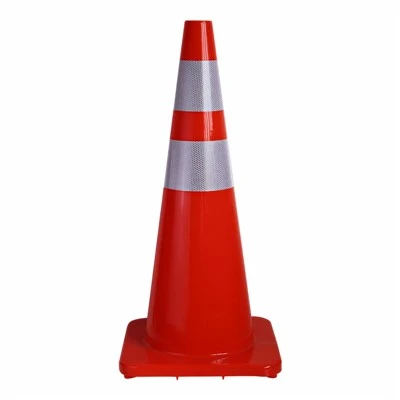
Let me start with the truth: I’ve worked in this industry long enough to know that when used correctly, traffic cones are one of the most reliable, cost-effective traffic direction tools out there. But it’s not just about plopping an orange cone on the ground. There’s a science behind how they’re made, where they’re placed, and why they’re the go-to for so many traffic management scenarios. In this post, I’ll break down exactly how traffic cones direct traffic, the common mistakes that make them less effective, and when they’re the right (and wrong) choice for keeping roads and people safe.
Why Traffic Cones Are Built for Direction, Not Just "Caution"
First, let’s talk about what makes a traffic cone different from a random plastic cone you might buy at a dollar store. The standard traffic cones we supply are built with specific features designed to catch drivers’ attention and communicate clear directions at a glance. Most are 18 to 36 inches tall, with a bright orange color that’s visible to the human eye from up to 1,000 feet away—studies say that’s the distance a driver traveling at 55 mph needs to react to a change in the road (Federal Highway Administration, 2021). Add to that the reflective strips we attach to all our heavy-duty cones, and suddenly that orange lumps becomes a signal that’s hard to miss, even in rain, fog, or nighttime.
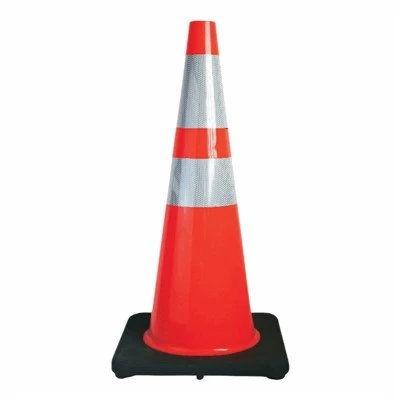
But it’s not just visibility. The shape of a traffic cone matters too. The wide, heavy rubber base (some of our cones have 10-pound bases for high-wind areas) keeps them from tipping over when a car accidentally drifts close, so the direction marker stays in place. The tapered top? It’s designed to stand out against a background of trees, signs, or other road features, so drivers don’t mistake it for a regular object. As someone who’s tested these cones in real-world conditions, I can tell you that a cone that stays upright and visible is the only one that can direct traffic—if it blows over or gets hidden, it’s useless.
So how does that translate to direction? Think of a line of cones as a physical barrier and a visual command. If you place cones along the edge of a closed lane, they tell drivers: “Don’t go here.” If you angle cones into a merge area, they guide drivers to move over safely. For example, when we supply cones to construction crews, they use a “cone taper” setup: 12 to 16 cones placed 10 feet apart to narrow a lane, which is a standard method approved by the FHWA. Drivers see that line of cones and instinctively follow it, because our brains are wired to recognize consistent, linear markers as paths.
Real-World Scenarios Where Traffic Cones Excel at Direction
I’ve seen traffic cones used in every kind of traffic direction situation, and the results speak for themselves. Let’s go through the most common ones where cones are the best tool for the job:
-
Construction Zones – This is the big one. Every day, construction crews use cones to redirect traffic around closed lanes, temporary bridges, or utility work. Last year, we supplied 5,000 cones to a city in Texas for a highway resurfacing project. The crews placed cones in a smooth taper, with reflective strips facing the direction of oncoming traffic. Within the first month, the city reported a 30% drop in lane-drifting incidents compared to the previous project, which used only caution tape. Why? Cones don’t sag or get tangled like tape, so the direction line stays clear for hours, even in hot Texas sun. Drivers don’t have to guess where they’re supposed to go—they follow the cones, plain and simple.
-
School and Work Zone Safety – Drop-off zones and temporary pedestrian crossings are another area where cones shine. Many schools use cones to mark “no parking” zones or safe crosswalk paths for kids. We recently supplied a local elementary school with 200 small, portable cones for their morning drop-off. The school placed cones in a line to guide cars to pull forward, so traffic didn’t back up onto the main road. Parents told us that the number of fender benders in the drop-off zone went down by half that semester. Cones create a clear, physical boundary that’s easy to follow, even for distracted drivers who might not notice a painted line on the road.
-
Event and Special Traffic Management – Parades, marathons, or street festivals rely on cones to direct foot and vehicle traffic. Last summer, we supplied cones for a city’s downtown marathon. Organizers used cones to block off side streets, create a runner path, and guide spectators to safe viewing areas. The cones were also used to direct volunteer parking, so volunteers didn’t clog the main event route. I talked to one event coordinator after the race, and they said the cones eliminated the confusion that used to happen in previous years, when spectators would park in the wrong place or walk into closed streets. Cones turn a messy event into an organized flow, and that’s exactly what traffic direction is all about.
But here’s the part most people don’t talk about: cones work for direction only when they’re placed correctly. Too many times, I see crews throw down cones in a random line, 50 feet apart, with no taper. That doesn’t direct traffic—it just creates confusion. Drivers see a cone every few yards and don’t know what it means. The FHWA has specific guidelines for spacing cones: in a merge area, they should be 10 to 20 feet apart; in a lane closure, 30 to 50 feet apart. When we supply cones, we always share these guidelines with our customers, because we want them to get the most out of the product.
When Traffic Cones Aren’t the Best Choice for Direction
As reliable as cones are, they’re not a one-size-fits-all solution for traffic direction. I’ve seen plenty of situations where using cones alone causes more problems than it solves, and it’s important to know when to reach for another tool instead.
First, high-speed roads (55 mph or more) are a tricky spot. While cones are visible, they’re not as durable as other markers like plastic barrels or portable rumble strips. On a highway, a cone might get hit by a car, or blow over in strong wind, leaving a gap in the direction line. The FHWA recommends using larger, heavier barrels for highways, because they’re more visible and less likely to be moved. I’ve had customers order cones for a highway project, and I always advise them to add a few barrels at the start and end of the cone line to reinforce the direction. The cones work great as the middle markers, but the barrels give a more prominent signal at the start and end.
Another case where cones fall short: heavy, high-volume traffic. If you’re directing thousands of cars a day, cones alone might not be enough. For example, at a busy intersection during rush hour, using just cones to redirect traffic can lead to drivers misinterpreting the line, especially if the cones are in a temporary setup. In those cases, we recommend combining cones with other tools, like traffic signs or temporary lights, to make the direction clear. I learned this the hard way a few years ago, when a customer used only cones for a temporary intersection change during road construction. Within a week, there were three accidents, because drivers thought the cone line was a suggestion, not a rule. We worked with them to add “lane closed” signs and reflective LED lights next to the cones, and the accidents stopped.
Also, extreme weather can affect how cones work. In heavy snow or ice, cones can get buried, so the direction line becomes invisible. In areas that get a lot of snow, I always suggest our customers use cones with bright bases or add flags to the top, so even if the cone is partially covered, people can see the flag. Without that, the direction is lost. It’s a small adjustment, but it makes a huge difference in bad weather.
Common Misconceptions About Cones for Traffic Direction
Over the years, I’ve heard a lot of myths about traffic cones and their use for direction, and I want to set the record straight:
Myth #1: “Orange cones are the only ones that work for direction.” – While orange is the standard for visibility, we also supply yellow cones for areas like bike lanes, and blue cones for handicapped parking. The color just signals the type of direction, not that it’s not a traffic cone. For example, a yellow cone in a bike lane tells drivers to stay out of the lane, which is a form of traffic direction. Cones aren’t just for “construction” anymore—they’re color-coded for different purposes, and that’s a good thing for clear direction.
Myth #2: “Any plastic cone will work.” – I can’t tell you how many times a customer has come to us after buying cheap plastic cones from a big box store, only to have them break or tip over after a few days of use. Those cones are made of flimsy plastic, with no heavy base, so they don’t stay in place. For traffic direction, you need a cone that can withstand being bumped by a car, rain, wind, and sun. The heavy-duty cones we supply are made of UV-resistant plastic, so they don’t crack in the sun, and their rubber base keeps them from tipping. Investing in the right cone isn’t just a luxury—it’s necessary for consistent direction.
Myth #3: “Cones are only for temporary traffic changes.” – A lot of people think cones are just for construction zones or events, but they’re used for permanent direction too. Many cities use cones in areas where road changes are occasional, like a residential street that turns into a parking spot for a farmers market on weekends. Cones are perfect here, because you can move them easily—unlike a painted line or a sign, they’re flexible. That’s one of the things I love most about cones: they adapt to the need.
Final Thoughts: Cones Are a Proven Tool for Clear Traffic Direction
At the end of the day, the answer to “Can traffic cones be used for traffic direction?” is a resounding yes—when used correctly. They’re not just random orange objects; they’re a tested, affordable way to guide drivers, protect pedestrians, and keep traffic flowing. As a supplier, I’ve seen first-hand how a well-placed line of cones can prevent accidents, reduce confusion, and make roads safer for everyone.
But here’s the thing: cones only work if you use them right. That means following guidelines for spacing, making sure they’re visible, and pairing them with other tools when needed. If you’re planning a project, event, or road work that requires traffic direction, don’t just grab any cone. Invest in heavy-duty, high-visibility cones, and follow the best practices for placement.
If you’re looking for reliable traffic cones to support your traffic direction needs, we’re here to help. Reach out to our team to discuss your requirements, from small school zone orders to large construction projects, and we’ll work with you to find the right solution for your needs.
References
Traffic Cones Federal Highway Administration. (2021). Manual on Uniform Traffic Control Devices. U.S. Department of Transportation.
National Association of City Transportation Officials. (2022). Urban Street Design Guide. NACTO.
American Traffic Safety Services Association. (2020). Traffic Cones: Best Practices for Installation and Maintenance. ATSA.
Taizhou Savimold Co., Ltd.
We are one of the most experienced traffic cones manufacturers and suppliers in China. With a professional production team, we offer a wide range of products with superior quality. Please feel free to buy customized traffic cones at competitive price from our factory. Welcome to contact us for quotation.
Address: No.227, Xindajie, Xinqiao Town, Luqiao District, Taizhou City, Zhejiang Province
E-mail: tzsavi@163.com
WebSite: https://www.smttraffic.com/
