Hey there, Other Shape Silicone Hose
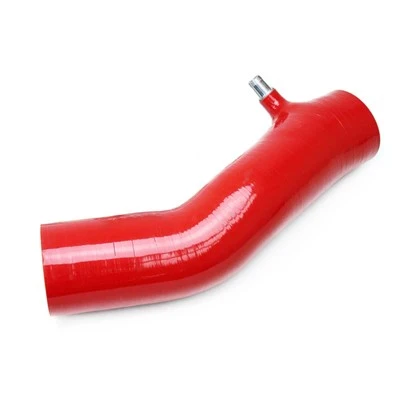
Let’s cut to the chase—if you’ve been hunting for hoses that aren’t those boring, round ones, you’ve probably stumbled on two big players: silicone and rubber non-round hoses. As someone who’s been selling custom-shaped silicone hoses for over 10 years, I talk to folks all the time who mix these two up, or think they’re basically the same thing. Spoiler: they’re not. And picking the wrong one? That’s a ticket to headaches—leaks, breakdowns, even total system failures. Let’s break this down like we’re chatting over a coffee, no fancy jargon promised.
First, let’s set the scene with what non-round (or “other shape”) hoses even are. These aren’t your standard circular radiator hoses. Think flat ovals that fit tight around engine bay components, rectangular ones that slot into HVAC systems where space is tight, even weirdly shaped ones with built-in grooves or flanges for heavy machinery. The whole point? They don’t waste space, seal better, and are custom-made for where round hoses just can’t cut it. Now, the two main materials for these? Silicone and rubber. Here’s where the confusion starts, so let’s unpack each one.
Let’s start with silicone non-round hoses, since that’s what I know inside and out. Silicone’s a synthetic polymer made from silicon, oxygen, carbon, and hydrogen—way different from natural rubber, which comes from tree sap, or synthetic rubber (like EPDM or neoprene) which is made from petroleum. For non-round shapes, silicone is a game-changer because it’s super moldable. You can get it in literally any shape: rounded rectangles, kidney beans, even custom geometries that fit a specific machine’s inlet. When we make these, we use high-quality food-grade or industrial-grade silicone, depending on the job, and cure it at high temperatures to lock in its properties.
What’s silicone’s superpower when it comes to non-round shapes? Temperature resistance. I’ve had customers use our silicone non-round hoses in systems that go from -60°F up to 500°F—think race car engine bays, commercial ovens, or HVAC systems that blast hot air. Rubber? Most rubber types start to break down above 250°F, so they can’t touch that. Also, silicone’s way more flexible at cold temps. If you’re in a place like Minnesota, where winters drop below zero, a rubber hose will get stiff, crack, and leak. Our silicone ones? They stay soft enough to stretch and seal, no matter how cold it gets.
Durability is another win. Silicone resists ozone, UV rays, and chemicals like oil, coolant, and even some fertilizers (we have a bunch of farm clients). So if your non-round hose is sitting outside on a piece of construction equipment, it won’t turn into a crumbly mess after a year. And because it’s so moldable, we can make silicone non-round hoses with reinforced layers—like polyester or aramid fiber—to add strength. That means they don’t kink, even when you have to bend them into weird spots, and they hold pressure way better than rubber.
Now, let’s talk about rubber non-round hoses. When people say “rubber” for hoses, they’re usually talking about synthetic rubber (EPDM, neoprene, nitrile) or sometimes natural rubber. Rubber non-round hoses are cheaper upfront, that’s the big sell. If you’re on a tight budget for a one-off project where temps are mild (like 0°F to 200°F) and chemicals aren’t super harsh, rubber might seem like a good call. But here’s the catch: it doesn’t hold up long. We’ve had customers come to us 6 months later, frustrated because their rubber non-round hose split open, or the shape warped so bad it stopped sealing.
Wait, why does shape matter so much here? Non-round hoses rely on tight, consistent sealing—there’s no room for gaps, unlike round hoses where a little give is okay. Rubber, especially when it gets old or exposed to heat, loses its elasticity. A rectangular rubber hose that’s meant to press against a metal flange will stretch or shrink, so the seal breaks. Silicone holds its shape way longer, even after thousands of heat cycles. I had a customer who switched from rubber to our silicone flat oval hoses for his industrial oven line—his failure rate dropped from 30% a month to almost zero. That’s the kind of thing no budget can ignore when you’re dealing with downtime costing thousands of dollars an hour.
Let’s get into specific use cases, because that’s where the difference hits hardest. If you’re working on a high-performance race car, a commercial HVAC system that handles extreme temps, or an industrial machine that runs non-stop in harsh conditions? Silicone non-round hoses are non-negotiable. They can handle the heat, hold the shape, and last for years. We have a NASCAR client who uses our custom-shaped silicone hoses in their engine cooling systems—they go through way fewer replacements, which means less time in the garage, more time on the track.
On the flip side, if you’re doing a small DIY project at home, like building a vent for your attic where temps are mild, or a low-pressure water system that only runs occasionally, a rubber non-round hose might work. But even then, I’d warn you: if that attic vent gets hot in the summer, that rubber hose will start to degrade fast. I once had a homeowner call me panicking because their DIY rubber duct hose for their grow room split in the middle of a heat wave—he had to rip it all out and replace it with silicone, cost him twice as much as if he’d bought the right one first. That’s the “cheap is expensive” trap I see all the time.
What about flexibility? Wait, silicone is flexible, but it’s also sturdier than rubber. Rubber feels softer to the touch, but it’s easier to stretch too much, which warps the non-round shape. Silicone has a perfect balance: it’s pliable enough to install without cracking, but firm enough to keep its shape once it’s in place. That’s why our silicone non-round hoses seal so well—they press evenly against every part of the flange, not just the edges like rubber often does.
Chemical resistance is another big factor. If your hose is handling oil, coolant, or other industrial chemicals? Nitrile rubber is okay for oil, but it breaks down when exposed to high heat. Silicone resists almost all common automotive and industrial chemicals, plus it’s non-toxic, so we use silicone hoses in food processing and medical equipment too—something rubber can’t do. We had a food processing client switch their conveyor belt hoses to our silicone rectangular ones because rubber was leaching tiny bits of plastic into their product; that’s a huge safety and compliance issue, so silicone was the only option.
Now, let’s talk about costs, because I know everyone cares about that. Silicone non-round hoses are more expensive upfront—usually 20-50% more than rubber ones. But here’s the math: if a rubber hose costs $20 and lasts 6 months, that’s $40 a year. A silicone hose costs $40 and lasts 5 years, that’s $8 a year. Over time, silicone is way cheaper. Plus, downtime costs. If your machine is down because a rubber hose failed, that’s not just the cost of a new hose—it’s lost production, missed deadlines, maybe even damage to other parts. We had a manufacturing client whose rubber non-round hose on their packaging machine failed during a run, costing them $15,000 in lost products and labor. Replacing it with our silicone hose cost $500, and they haven’t had an issue in 3 years. That’s a no-brainer.
Wait, are there any cases where rubber is better? Yeah, but they’re super specific. If you need a non-round hose that’s super soft for cushioning, like a pad for a loading dock? Rubber might work, but even there, you can get silicone foam that’s better. Or if you need a one-off shape that’s really simple, like a flat oval, and you’re only using it for a short time, and temps are mild? Maybe. But for anything that needs to perform, last, or handle harsh conditions? Silicone is the way to go.
Let me also address a common myth: “All silicone hoses are the same.” Nope. The quality depends on the grade of silicone, the reinforcement layers, and how it’s cured. When I make our custom-shaped silicone hoses, we use high-grade industrial silicone, add multiple layers of polyester or aramid reinforcement, and cure them in temperature-controlled ovens to ensure every inch has consistent strength and flexibility. Cheaper silicone hoses might use low-grade silicone, no reinforcement, and cure them at too low a temp—so they’ll still fail, just like rubber. That’s why it’s important to buy from a reputable supplier, not just the cheapest option.
So, to wrap this up: if you’re choosing between silicone and rubber other shape (non-round) hoses, ask yourself three questions. First, what’s the temperature range the hose will be exposed to? If it’s over 250°F, silicone is non-negotiable. Second, how important is consistent shape and sealing? Non-round hoses only work if they hold their shape—silicone does that way better than rubber. Third, what’s the cost over time? Cheap rubber might save you a few bucks now, but it’ll cost you way more in replacements and downtime later.
At the end of the day, I’ve seen so many customers make the switch from rubber to silicone non-round hoses and wonder why they didn’t do it sooner. It’s not just about the material—it’s about performance, reliability, and peace of mind. If you’re working on a project and you’re not sure which one is right for you, hit me up. I’ve helped everyone from small DIYers to big manufacturing companies pick the right custom silicone hose for their needs. No sales pitch, no pressure—just straight talk, since that’s how I’ve done business for 10 years.
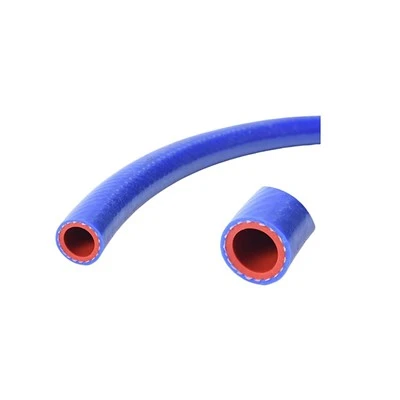
Don’t settle for a hose that’ll fail when you need it most. Get the one that’s built to last, fits your shape perfectly, and can handle whatever you throw at it. Reach out to connect and talk through your exact needs—I’m here to help you make the right call.
Chemical Hose References
- Silicone vs. Rubber: Performance Differences for Industrial Applications, Industrial Hose & Fitting Association, 2022.
- Non-Round Hose Design and Material Selection Guidelines, Society of Automotive Engineers (SAE) International, 2021.
- Temperature Resistance and Degradation of Elastomers, Journal of Elastomers and Plastics, Vol. 53, No. 4, 2020, pp. 452-468.
- Cost-Benefit Analysis of Elastomer Hose Selection for Industrial Systems, Manufacturing Engineering Journal, Vol. 18, No. 2, 2021, pp. 112-117.
Ningbo Haidu Auto Parts Co., Ltd.
As one of the most professional silicone hose manufacturers and suppliers in China, we’re featured by cheap products and good service. Please rest assured to buy durable silicone hose at competitive price from our factory. Also, OEM service is available.
Address: No21 zhoujialupeng,Zhushan Village,Lizhousub-district Yuyao City.Ningbo City,Zhejiang Province
E-mail: sale6@cnsiliconehose.com
WebSite: https://www.cnsiliconehose.com/
