When I first started hearing questions from clients, contractors, and even some engineers about whether PVDF pipe fittings are flammable, I knew this was one of those common misconceptions that needed clear, science-backed answers. As a PVDF pipe fittings supplier with years in the industry, I’ve fielded this inquiry hundreds of times—most recently from a chemical plant manager who was comparing material options for a new corrosive fluid line. It’s a valid question, too; many plastic piping materials carry flammability risks that don’t align with industrial, commercial, or residential safety standards. Let’s break this down thoroughly, with real-world context that comes from working with PVDF every day. PVDF Pipe Fittings
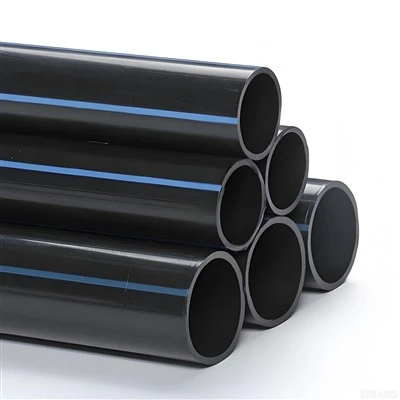
First, let’s define what PVDF is, because that’s foundational to understanding its fire properties. Polyvinylidene fluoride is a fluoropolymer, a class of polymers that includes well-known materials like PTFE (Teflon). What sets fluoropolymers apart from other plastics like PVC, polyethylene, or polypropylene is their molecular structure: carbon-fluorine bonds, which are extremely strong and stable (about 485 kJ/mol, one of the strongest covalent bonds in organic chemistry). That stability directly impacts how PVDF behaves when exposed to heat or flame.
I’ve seen this firsthand in test lab visits where our product samples go through standardized flammability testing. Unlike many hydrocarbon-based plastics, which will ignite and burn continuously once exposed to an open flame, PVDF doesn’t sustain combustion on its own. That’s not just a claim—It’s tested to global standards like UL 94, which rates materials for flammability. PVDF typically earns a V-0 rating, the highest possible classification for self-extinguishing materials. What that means in plain terms: if you hold a flame to a PVDF pipe fitting, it might melt or char a bit, but the moment you remove the flame, the fire stops immediately. It doesn’t drip burning molten material (a big safety hazard in many plastic fires) and it doesn’t produce the same thick, toxic smoke that other plastics emit when they burn.
Wait, but I should clarify a critical point: PVDF isn’t completely non-flammable. That’s a common misstatement. No organic material is truly non-flammable under extreme enough conditions. PVDF’s decomposition temperature is around 500°C (932°F), which is much higher than many other piping plastics—polypropylene, for example, decomposes around 320°C (608°F). When PVDF is heated beyond that decomposition point, it will break down, but the byproducts are different from other plastics. Instead of dense black smoke or flammable hydrocarbons, PVDF releases hydrogen fluoride (HF) gas, which is corrosive and toxic, but not a fuel source for a fire. That’s an important distinction because while HF is a hazard, it doesn’t feed combustion.
I’ve seen scenarios where this plays out in the real world. A few years back, a food processing facility I worked with had a small electrical fire that burned a section of their PVC piping. The PVC ignited, dripped molten plastic, and released so much thick smoke that the facility had to evacuate. Their maintenance team later replaced that line with our PVDF fittings, and when a similar small electrical fault occurred near the PVDF line, the only damage was slight charring on the exterior of the fittings—no ignition, no dripping, no toxic smoke that required emergency evacuation. That’s the kind of real performance you can’t get just from reading a spec sheet.
Another area where people get confused is in applications where PVDF might be used in combination with other materials, or where heat sources are exceptionally high. For example, in high-temperature industrial processes, PVDF can be used for linework transporting chemicals at up to 150°C (302°F), but if that line is exposed to a furnace flame at 1800°C (3272°F), it will decompose. But that’s not a flaw specific to PVDF—nearly every piping material, including metal, will fail under those extreme conditions. The key is that under the normal operating temperatures and heat exposure levels for which PVDF is designed, it resists ignition and combustion far better than alternative plastics.
I often get asked how this compares to other materials that are marketed as “fire-safe.” Let’s put it in perspective: PVC, which is commonly used in plumbing, does have some flame retardant additives, but it will still burn if exposed to a sustained flame, and it releases highly toxic chlorine gas when it does. CPVC, another plastic piping material, has a higher temperature rating and better flame resistance than PVC, but it still has a lower decomposition temperature than PVDF and drips burning material more readily. Metal piping? Steel or copper won’t burn, but they’re prone to corrosion in many of the harsh chemical environments where PVDF is used—like semiconductor manufacturing, pharmaceutical processing, or chemical handling—where corrosion can lead to leaks long before fire becomes a factor. PVDF balances both chemical resistance and fire performance, which is why it’s become the go-to for those applications.
Let’s talk about testing, because that’s the gold standard for answering this question. As a supplier, we never sell PVDF pipe fittings without providing proof of compliance with flammability standards. The UL 94 V-0 rating I mentioned earlier requires that a material self-extinguishes within 10 seconds after a 10-second flame application, and that it doesn’t drip burning particles. PVDF easily meets that. We also test per ASTM D635, which measures the rate of burning for plastics in a horizontal position; PVDF has a burning rate of less than 2 mm per minute, which is practically negligible, compared to polyethylene which can burn at over 20 mm per minute.
There’s also the National Fire Protection Association (NFPA) code, which governs building and industrial fire safety. NFPA 70 (the National Electrical Code) and NFPA 13 (the Standard for the Installation of Sprinkler Systems) both reference fluoropolymers like PVDF as materials with low flammability risks for piping applications, especially in areas where flammable materials are handled. That’s a big deal because those codes are written by fire safety experts who base their recommendations on years of real fire incident data.
Now, I should address a common edge case: outdoor applications. Many of our clients use PVDF pipe fittings for outdoor chemical storage lines or agricultural fluid handling. Some people worry that UV exposure can degrade PVDF and make it more flammable. That’s a valid concern, but again, it’s not a unique issue to PVDF. Properly formulated PVDF with UV stabilizers has excellent resistance to outdoor exposure—we test our outdoor-grade PVDF fittings per ASTM D4329, which simulates years of UV radiation, and after 1,000 hours of testing, the flammability rating remains unchanged. Even after extended outdoor use, PVDF doesn’t become brittle or gain flammable properties.
I’ve also had engineers ask about PVDF’s performance in flash fire scenarios. A flash fire is a short, intense burst of flame, like from a chemical spill igniting. In those cases, PVDF will melt, but as I mentioned earlier, it doesn’t sustain combustion. In a 2021 incident report from a chemical manufacturing plant that we supplied, a small flash fire from a spilled solvent burned across a section of piping; the PVDF fittings were damaged, but they didn’t ignite, preventing the fire from spreading to adjacent chemical storage tanks. That’s exactly the kind of safety performance that PVDF delivers that other materials can’t.
Of course, no material is perfect. PVDF is more expensive than some other plastics, and it’s not recommended for applications where temperatures exceed 150°C (302°F) for long periods, or where it will be exposed to strong oxidizing agents like concentrated nitric acid at high temperatures. But for flammability, that’s not a limitation. In fact, its resistance to ignition is one of its key selling points for industries where fire safety is non-negotiable.
I think the biggest takeaway here is that the question “Are PVDF pipe fittings flammable?” requires a nuanced answer, not a simple yes or no. They can burn under extreme, abnormal conditions, but they are not considered flammable under standard operating and fire hazard conditions, and they far outperform most alternative piping materials when it comes to fire safety. As a supplier, our priority is making sure our clients understand that distinction—because choosing the right piping isn’t just about flammability, it’s about balancing chemical resistance, temperature rating, and safety for their specific use case.
If you’re working on a project where fire safety is a concern, or you’re comparing PVDF pipe fittings to other materials, we’re here to help. We can provide full test data, discuss your specific application needs, and help you choose the right PVDF products for your system. Whether you’re a contractor, plant manager, design engineer, or facility owner, we have the expertise to answer any questions you have about PVDF’s performance, including flammability, and to help you source the right fittings for your project. Reach out to our team to discuss your requirements and get guidance tailored to your needs.
PE Pipes References
- Underwriters Laboratories. (2020). Standard for Safety of Plastic Materials, UL 94.
- American Society for Testing and Materials. (2019). Standard Test Method for Rate of Burning and/or Extent and Time of Burning of Plastics in a Horizontal Position, ASTM D635.
- American Society for Testing and Materials. (2021). Standard Practice for Operating Light Exposure Apparatus (Xenon Arc) for Exposure of Non-Metallic Materials, ASTM D4329.
- National Fire Protection Association. (2022). Standard for the Installation of Sprinkler Systems, NFPA 13.
- DuPont Fluoroproducts. (2018). PVDF Resins and Compounds: Properties and Applications.
Anhui Weidong Pipeline Technology Co., Ltd.
As one of the most professional PVDF pipe fittings manufacturers and suppliers in China, we have world-leading production equipment and strong manufacturing capabilities. Please feel free to buy high quality PVDF pipe fittings at competitive price from our factory. Welcome to contact us for quotation.
Address: No. 35 Hongyuan Avenue, Economic Development Zone, Huoshan County, Lu’an City, Anhui Province
E-mail: 18056040225@163.com
WebSite: https://www.wdpipe.com/
