If you’ve ever worked with lightweight metals for aerospace parts, automotive components, or even construction materials, you’ve probably crossed paths with magnesium ingots. As a magnesium ingot supplier, I get asked all the time: “What’s actually risky about producing this stuff?” A lot of folks think it’s just another metal—like aluminum, maybe? But nah, magnesium production has its own set of headaches that don’t come standard with other common industrial metals. I’ve seen small mishaps turn into big headaches on the production floor, and I’ve watched even seasoned operators get caught off guard by something as simple as temperature swings. Let’s break this down, the stuff they don’t teach you in basic metalworking 101. Magnesium Ingot
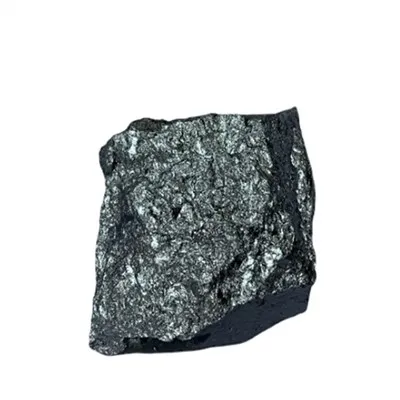
First off, the big one: combustion and explosion risks. Most people know magnesium is flammable, but they don’t grasp how easy it is to ignite when you’re melting it for ingots. You’re working with super hot furnaces—usually between 650°C and 750°C, right? At those temps, even a tiny spark can set off dust, shavings, or even splashed molten magnesium. Here’s the kicker: magnesium fires don’t go out with water. Dumping a bucket of water on a magnesium fire just makes it worse—you get this reaction where magnesium splits water into hydrogen, which burns super fast, plus oxygen that fuels the flame. I learned that the hard way three years back when a part of my team accidentally spilled a small amount of molten mag on a wet concrete pad while we were testing a new furnace setup. The fire spread so quick we had to grab the Class D fire extinguisher we keep on hand specifically for mag fires. And it’s not just the molten metal—fine magnesium dust, like the kind you get when you’re machining scrap to recycle into new ingots, is even more dangerous. Those tiny particles have a huge surface area, so they ignite at way lower temps, and if they build up in a poorly ventilated space, one spark from a power tool or static electricity can blow the whole facility’s dust collection system. I’ve seen OSHA reports (don’t get me started on their inspections) where a plant had to shut down for a week because dust accumulated in an unfiltered duct and caused a small explosion—way more costly than fixing a couple of shavings piles.
Then there’s the risk of material contamination that messes up the ingots (and your supply chain). Wait, contamination sounds boring, but it’s a huge production headache. Magnesium reacts super easily with other elements, way more than aluminum or copper. If you leave the molten metal in a furnace lined with the wrong refractory material, or if you introduce even a tiny bit of iron, silicon, or nickel, the ingots will be brittle. No use for aerospace parts or car components—they crack when you machine them, and that’s money down the drain. Last year, a batch I produced had a minor issue where a new supplier’s crucible had a tiny defect that leached iron into the melt. Half the batch was rejected, and I had to work extra fast to replace it for a client who was launching a new line of electric vehicle parts, which made me look bad. Even moisture can be a problem—if the raw magnesium ore (usually magnesite or brine) has too much moisture, it reacts during smelting to make hydrogen gas bubbles that get trapped in the ingot. Those bubbles are like tiny time bombs in the metal—they make the ingots porous, so when you machine them, they chip or split. I now test every incoming raw material for moisture content twice, just to avoid that headache.
Energy costs are another production risk that’s way underrated, especially if you’re a smaller supplier. Melting magnesium takes a ton of consistent heat—way more than aluminum, actually. Natural gas or electricity prices swing like crazy, and if you don’t have a long-term contract locked in, that can eat into your margins so fast you might be selling ingots for less than it cost to make them. Two winters ago, my area saw a 40% jump in natural gas prices because of a pipeline outage. I had to run two furnaces nonstop to keep up with orders, and my monthly energy bill doubled. That’s not a one-time hit—you have to account for energy price volatility as a core production risk, not just a “cost thing.” Plus, magnesium’s melting point is lower, but the smelting process to get raw magnesium from ore is energy-intensive too. It’s not just melting; it’s the whole extraction step.
Workplace safety isn’t just the explosion risk I mentioned earlier—there’s fumes, too. When you smelt magnesium, you get these metallic fumes that are super fine particles. Breathing those in long-term is bad for your lungs, causes issues like metal fume fever, which feels like a brutal flu, even if it’s temporary. A guy I used to work with on the production floor missed two weeks when he inhaled a big cloud of fumes because the fume extraction system shut off for 10 minutes. We had to upgrade our extraction system after that, but it’s another ongoing cost that’s part of producing mag ingots that a lot of new suppliers overlook. Also, the molten metal is hot—like, hot enough to burn through coveralls and skin instantly if you’re not careful. I’ve got a scar on my forearm from a small splash a few years back, and that’s nothing compared to what could happen if you skip safety gear.
Wait, what about supply chain risks for the raw materials themselves? Most magnesium comes from a handful of places—China, a few Middle Eastern countries, and some parts of Europe. If there’s a trade war, a mining strike, or a regulatory crackdown on magnesium production (because it’s energy-heavy, a lot of governments are cracking down on emissions lately), your raw material supply could dry up overnight. Last year, China tightened environmental rules on metal smelters, and magnesium prices jumped 25% in two weeks. I almost had to turn down a huge order because I couldn’t lock in enough raw ore at a reasonable price. As a supplier, that’s a production risk too—if you can’t get the feedstock, you can’t make the ingots, even if your furnace is running fine.
Oh, and product quality consistency. A lot of people don’t realize that magnesium ingots have to meet exact specs—purity levels, alloy content, physical strength. If your production process has a small variation, like a 5°C swing in furnace temperature, that can make the ingots either too soft or too brittle, which means your client has to rework parts or scrap the whole batch. I keep tight logs of every furnace run, every raw material test, every pour, and I still had a batch that was 0.2% less pure than spec once. Turned out a sensor was miscalibrated, and I caught it before shipping, but not before wasting a whole day’s production. That’s a production risk too—human error or small equipment glitches that mess up quality.
Let me circle back to the explosion thing because it’s the one that keeps me up at night. I’ve seen safety protocols cut corners—operators skipping Class D fire extinguishers because they “never have a fire,” not wearing proper PPE because it’s “too hot in the plant.” I even worked at a plant a long time ago where they didn’t clean magnesium dust off the floors for months. One spark from a forklift’s exhaust pipe would’ve been a disaster. Now, my team does a dust check every shift—wiping down every surface, emptying dust bins after every machining run, making sure the ventilation system is running 24/7. It’s a hassle, but it’s way better than dealing with the alternative.

So why does this matter if you’re a client looking for magnesium ingots? Because all these production risks affect the ingots you get. If a supplier cuts corners on safety or dust control, you might get ingots with hidden defects that cause parts to fail when you’re using them for aerospace or automotive parts. If they don’t lock in stable energy costs, their prices can jump unexpectedly, or they might not be able to fill your order at all because of a raw material shortage.
Polycrystalline Silicon Wafer At the end of the day, producing magnesium ingots isn’t like making steel or aluminum—you can’t treat it like a commodity metal where you just heat up the ore and pour. Every step has its own risk, from the initial smelting to the final pour to the delivery. That’s why I’m so careful with every part of my production process. If you’re in the market for magnesium ingots—whether it’s for auto components, aerospace parts, or anything else that needs lightweight, durable metal—hit me up to chat about your needs. I can walk you through our quality checks, our safety protocols, and how we mitigate all these production risks to make sure you get consistent, reliable ingots every time.
References
- Occupational Safety and Health Administration (OSHA). (n.d.). Magnesium Safety in the Workplace.
- American Foundry Society. (2021). Production Risks and Safety Protocols for Light Metal Ingot Casting.
- International Magnesium Association. (2022). Global Supply Chain and Production Challenges for Magnesium Ingot Manufacturers.
ZhenAn International Co., Limited
ZhenAn International Co., Limited is one of the leading magnesium ingot manufacturers and suppliers in China. We warmly welcome you to wholesale discount magnesium ingot in stock here from our factory. All our products are with high quality and competitive price.
Address: Huafu Commercial Center, Wenfeng District, Anyang City, Henan Province, China
E-mail: info@zaferroalloy.com
WebSite: https://www.ferro-silicon-alloy.com/
