As a supplier of Aquatic Feed Woven Bags, ensuring the safety of aquatic feed during storage is not only crucial for our customers but also directly related to the effectiveness of our products. In this blog post, I will share several key points based on my experience and knowledge about how to ensure the safety of aquatic feed in woven bags during storage. Aquatic Feed Woven Bags
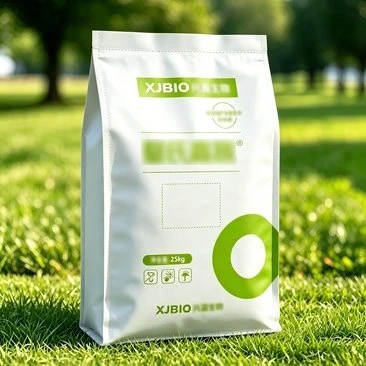
Understanding the Characteristics of Aquatic Feed and Woven Bags
Before diving into the storage strategies, it’s essential to understand the characteristics of both aquatic feed and woven bags. Aquatic feed is rich in nutrients such as proteins, fats, vitamins, and minerals, which make it an ideal target for microorganisms, insects, and pests. Additionally, exposure to moisture can cause feed to clump, mold, and lose its nutritional value.
On the other hand, woven bags are popular for their durability, breathability, and cost – effectiveness. They are typically made of polypropylene or polyethylene, which provide a certain level of protection against physical damage. However, they also have some limitations, such as being permeable to air and moisture to some extent.
Selection of Appropriate Woven Bags
The first step in ensuring the safety of aquatic feed during storage is to choose the right woven bags. Here are some factors to consider:
Material Quality
High – quality polypropylene or polyethylene woven bags are more resistant to tearing, puncturing, and environmental factors. They should have a high tensile strength to withstand the weight of the feed and handling during transportation and storage.
Bag Thickness
The thickness of the woven fabric is an important consideration. Thicker bags generally offer better protection against external elements. For aquatic feed, a bag with a thickness of at least [X] mils is recommended to prevent moisture penetration and physical damage.
Coating and Lamination
Coated or laminated woven bags can provide an extra layer of protection. A polyethylene coating on the inner or outer surface of the bag can enhance its moisture resistance, preventing the feed from absorbing moisture from the environment.
Size and Design
The size of the bag should be appropriate for the amount of feed to be stored. Too large a bag may leave excess air space, increasing the risk of oxidation and spoilage. Additionally, features such as a reinforced closure can prevent the feed from spilling and keep pests out.
Storage Environment
The storage environment plays a vital role in maintaining the safety of aquatic feed in woven bags. Here are some key aspects to focus on:
Temperature
Aquatic feed should be stored in a cool, dry place. High temperatures can accelerate the growth of microorganisms and cause the oxidation of fats in the feed. The ideal storage temperature for aquatic feed is between [X]°C and [X]°C. If the temperature exceeds this range for an extended period, the feed quality may deteriorate rapidly.
Humidity
Controlling humidity is crucial, as excessive moisture can lead to mold growth, clumping, and nutrient loss. The relative humidity in the storage area should be kept below [X]%. This can be achieved by using dehumidifiers or by choosing a well – ventilated storage facility.
Ventilation
Proper ventilation helps to remove excess moisture and heat from the storage area. Stacks of woven bags should be arranged in a way that allows air to circulate freely. This can prevent the formation of hotspots and the accumulation of moisture, reducing the risk of mold and spoilage.
Protection from Pests
Pests such as rodents and insects can cause significant damage to aquatic feed. The storage area should be kept clean and free of debris. Sealing any cracks or holes in the walls, floors, and ceilings can prevent pests from entering. Additionally, the use of pest control measures such as traps and baits can help to keep the storage area pest – free.
Stacking and Handling
The way woven bags of aquatic feed are stacked and handled can also affect the safety of the feed.
Stacking Pattern
Bags should be stacked in a stable and organized manner. A common stacking pattern is the interlocking pattern, where each layer of bags is placed at an angle to the layer below it. This provides better stability and reduces the risk of the stack collapsing. The height of the stack should also be limited to prevent the bags at the bottom from being crushed.
Handling Precautions
When handling woven bags of aquatic feed, care should be taken to avoid rough treatment. Bags should be lifted using proper equipment, such as forklifts or pallet jacks, to prevent tearing or puncturing. Additionally, workers should be trained in proper handling techniques to minimize the risk of damage to the bags and the feed inside.
Monitoring and Inspection
Regular monitoring and inspection are essential to ensure the safety of aquatic feed during storage.
Visual Inspection
Periodic visual inspections of the woven bags and the feed should be carried out. Look for signs of damage to the bags, such as tears, holes, or signs of moisture penetration. Check the feed for any signs of mold, discoloration, or an unusual smell.
Quality Testing
Periodic quality testing of the feed can also be carried out. This can include tests for moisture content, nutrient levels, and the presence of microorganisms. If any issues are detected, appropriate measures should be taken immediately to prevent further deterioration.
Preservation Techniques
In addition to the above measures, some preservation techniques can be used to extend the shelf life of aquatic feed in woven bags.
Antioxidants and Preservatives
Adding antioxidants and preservatives to the feed can help to prevent oxidation and the growth of microorganisms. These additives can be mixed into the feed during the manufacturing process.
Modified Atmosphere Packaging
Modified atmosphere packaging involves replacing the air inside the bag with a mixture of gases, such as nitrogen and carbon dioxide. This can reduce the oxygen content, which slows down the oxidation process and the growth of aerobic microorganisms.
Conclusion
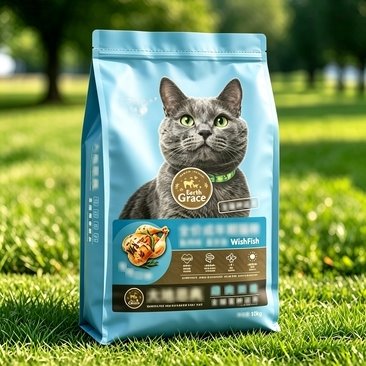
Ensuring the safety of aquatic feed in woven bags during storage requires a comprehensive approach that includes the selection of appropriate bags, control of the storage environment, proper stacking and handling, regular monitoring, and the use of preservation techniques. As an Aquatic Feed Woven Bags supplier, I understand the importance of these factors and strive to provide my customers with high – quality products that can effectively protect their feed during storage.
Pet Food Woven Bags If you are looking for reliable Aquatic Feed Woven Bags for your aquaculture business, or if you have any questions about feed storage and bag selection, I would be more than happy to discuss your needs. Contact me to start a conversation about your specific requirements and let’s work together to ensure the safety and quality of your aquatic feed.
References
- "Aquaculture Feed Technology", by [Author’s name], [Publication year]
- "Principles of Feed Storage and Preservation", published by [Publisher’s name], [Publication year]
- "The Role of Woven Bags in Feed Storage", research article from [Journal name], [Publication year]
Zhejiang Xifeng Packaging Co., Ltd.
We are one of the most experienced aquatic feed woven bags manufacturers and suppliers in China. With a professional production team, we offer a wide range of products with superior quality. Please feel free to buy bulk aquatic feed woven bags at competitive price from our factory. We also accept customized orders.
Address: Xiaojiang Town, Pingyang County, Wenzhou City, Zhejiang Province, China
E-mail: zjxifeng@126.com
WebSite: https://www.xifengpackaging.com/
