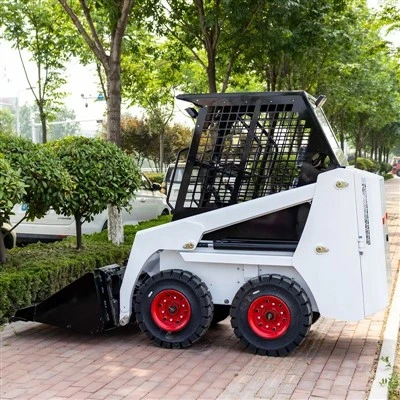
As a supplier of slip loaders, I’ve witnessed firsthand the crucial role that hydraulic fluid plays in these machines. The hydraulic system is the powerhouse of a slip loader, providing the force necessary to perform various tasks such as lifting, digging, and pushing. One of the key factors that can significantly impact the operation of a slip loader is the hydraulic fluid level. In this blog post, I will delve into how the hydraulic fluid level affects a slip loader’s operation and why maintaining it at the appropriate level is essential. Slip Loader
Optimal Performance at the Right Level
When the hydraulic fluid level in a slip loader is at the proper range, the machine operates at its best. The hydraulic system relies on the fluid to transfer power from the pump to the various hydraulic components, such as cylinders and motors. With an adequate fluid level, the system can generate the pressure needed to perform heavy – duty tasks smoothly.
The hydraulic cylinders can extend and retract without hesitation, allowing for precise control of attachments like buckets, forks, or grapples. This means that operators can load and unload materials efficiently, dig trenches with accuracy, and maneuver the slip loader in tight spaces with ease. Moreover, the hydraulic motors that drive the wheels or tracks of the slip loader also function optimally. They provide consistent torque, enabling the machine to move forward, backward, and turn smoothly.
In addition, proper fluid levels help to keep the hydraulic system cool. The fluid circulates through the system, absorbing heat generated by the friction of moving parts. Adequate fluid volume ensures that there is enough coolant capacity to maintain a safe operating temperature. This is crucial because excessive heat can degrade the hydraulic fluid, leading to reduced performance and potentially damaging the system components.
Consequences of Low Hydraulic Fluid Level
One of the most common issues that can occur when the hydraulic fluid level is low is a loss of pressure in the system. The hydraulic pump needs a continuous supply of fluid to generate the necessary pressure for the cylinders and motors to function. When the fluid level drops below a certain point, the pump may start to draw in air, causing cavitation. Cavitation is the formation and collapse of vapor bubbles in the fluid, which can lead to a significant decrease in pressure.
As a result, the slip loader may experience a loss of power. The lifting capacity of the hydraulic cylinders may be reduced, making it difficult to lift heavy loads. The machine may also move more slowly or jerkily, as the hydraulic motors do not receive enough power to operate smoothly. This can lead to decreased productivity on the job site, as tasks take longer to complete.
Low fluid levels can also cause increased wear and tear on the hydraulic components. Without enough fluid to lubricate the moving parts, the friction between the components increases. This can lead to premature wear of seals, pistons, and other parts, which may result in leaks. Once a leak occurs, the fluid level will drop even further, exacerbating the problem. In severe cases, the damage to the components can be so extensive that they need to be replaced, which can be a costly repair.
Another consequence of low hydraulic fluid is overheating. As mentioned earlier, the fluid helps to cool the system. With less fluid in the system, there is less capacity to absorb heat. This can cause the system temperature to rise, which can accelerate the degradation of the fluid. Overheated fluid can lose its viscosity, which means it will not lubricate or transfer power effectively. This can lead to a vicious cycle of further performance degradation and component damage.
Dangers of Overfilling the Hydraulic Fluid
While low fluid levels are a common problem, overfilling the hydraulic fluid in a slip loader can also have negative consequences. When the fluid level is too high, the excess fluid can cause foaming. Foaming occurs when air is trapped in the fluid, and it can reduce the fluid’s ability to transfer power. The bubbles in the foamy fluid compress more easily than the fluid itself, which means that the pressure in the system can fluctuate.
This pressure fluctuation can cause erratic operation of the hydraulic components. The cylinders may extend and retract in an inconsistent manner, and the motors may not provide a steady torque. This can make the slip loader difficult to control, which is not only a safety hazard but also reduces the efficiency of the machine.
In addition, overfilled fluid can also lead to leaks. The excess fluid may push against the seals in the hydraulic system, causing them to fail. Once the seals are damaged, the fluid will leak out, which not only creates a mess but also reduces the fluid level in the system. This can eventually lead to the same problems associated with low fluid levels, such as loss of pressure and component damage.
Monitoring and Maintaining the Hydraulic Fluid Level
As a slip loader supplier, I always emphasize the importance of regular maintenance and monitoring of the hydraulic fluid level. Most slip loaders are equipped with a sight glass or a dipstick that allows operators to check the fluid level easily. Operators should check the fluid level before each use and add fluid as needed.
It’s also essential to use the correct type of hydraulic fluid. Different slip loader models may require different types of fluid, and using the wrong fluid can lead to performance issues and component damage. Operators should refer to the manufacturer’s guidelines for the recommended fluid type and viscosity.
In addition to checking the fluid level, it’s also a good idea to inspect the hydraulic system for any signs of leaks. Leaks can be identified by looking for puddles of fluid under the machine or by checking for wet spots on the hydraulic hoses and components. If a leak is detected, it should be repaired immediately to prevent further loss of fluid.
Regular maintenance of the hydraulic system, such as changing the fluid and filters at the recommended intervals, is also crucial. Over time, the hydraulic fluid can become contaminated with dirt, debris, and metal particles. These contaminants can cause damage to the system components and reduce the performance of the machine. Changing the fluid and filters helps to keep the system clean and functioning properly.
Conclusion
In conclusion, the hydraulic fluid level has a profound impact on the operation of a slip loader. Maintaining the fluid level at the appropriate range is essential for optimal performance, efficiency, and longevity of the machine. Low fluid levels can lead to a loss of power, increased wear and tear, and overheating, while overfilling can cause foaming, erratic operation, and leaks.
Wheel Loader As a slip loader supplier, I am committed to providing high – quality machines and offering the best advice on their maintenance. If you are in the market for a slip loader or need more information on how to maintain your existing machine, I encourage you to contact us. We are here to help you make the most of your slip loader and ensure that it operates at its best for years to come.
References
- Manufacturer’s manuals for slip loaders
- Hydraulic system engineering textbooks
- Industry research papers on construction equipment maintenance
Shandong Feisite Machinery Co., Ltd.
As one of the most professional slip loader manufacturers and suppliers in China, we’re featured by quality products and good service. Please rest assured to buy cheap slip loader made in China here and get quotation from our factory. Customized orders are welcome.
Address: 100 meters south of Zengfusi Village, Mihe Town, Qingzhou City, Shandong Province
E-mail: Wpeng19911103@qq.com
WebSite: https://www.shandongfeisite.com/
