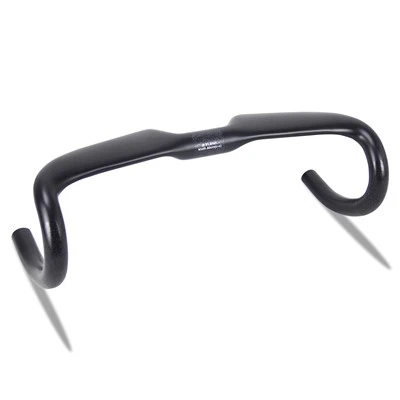
Are carbon fiber road forks worth the investment? This is a question that many cycling enthusiasts and professional riders often ponder. As a supplier of carbon fiber road forks, I’ve had the privilege of witnessing firsthand the impact these components can have on a cyclist’s performance and overall riding experience. In this blog, I’ll delve into the technical aspects, benefits, and potential drawbacks of carbon fiber road forks to help you decide if they’re a worthy investment. Carbon Fiber Road Fork
The Science Behind Carbon Fiber
Carbon fiber is a composite material made up of thin, strong crystalline filaments of carbon. These fibers are woven together and then impregnated with a resin to form a solid structure. The resulting material is incredibly lightweight, yet remarkably strong. In fact, carbon fiber has a high strength-to-weight ratio, which means it can withstand significant forces while remaining light.
When it comes to road forks, the use of carbon fiber allows for precise engineering and design. Manufacturers can manipulate the carbon fiber layup to optimize the fork’s stiffness, compliance, and aerodynamics. For example, by adjusting the orientation and density of the carbon fibers, a fork can be made stiffer in certain areas to improve steering response and power transfer, while being more compliant in others to absorb road vibrations.
Benefits of Carbon Fiber Road Forks
1. Weight Reduction
One of the most significant advantages of carbon fiber road forks is their lightweight nature. Compared to traditional steel or aluminum forks, carbon fiber forks can weigh up to 30% less. This weight reduction can have a profound impact on a cyclist’s performance, especially when climbing hills or accelerating. Every gram saved on the fork translates to less energy expended, allowing cyclists to ride faster and more efficiently.
2. Vibration Damping
Carbon fiber has excellent vibration-damping properties. It can absorb and dissipate the vibrations caused by rough roads, reducing fatigue and improving comfort. This is particularly beneficial for long-distance riders who spend hours on the saddle. By minimizing the vibrations transmitted to the hands and arms, carbon fiber road forks can help prevent numbness and discomfort, allowing riders to focus on the road ahead.
3. Aerodynamics
Carbon fiber road forks can be designed with aerodynamics in mind. Their sleek and streamlined shapes reduce drag, allowing cyclists to cut through the air more efficiently. This can result in significant time savings, especially in races or high-speed rides. Additionally, some carbon fiber forks feature integrated designs that further enhance aerodynamics by reducing the overall frontal area of the bike.
4. Customization
Carbon fiber road forks offer a high degree of customization. Manufacturers can tailor the fork’s stiffness, compliance, and geometry to meet the specific needs of different riders. This means that cyclists can choose a fork that is optimized for their riding style, weight, and preferences. Whether you’re a sprinter looking for maximum stiffness or a long-distance rider in need of extra comfort, there’s a carbon fiber road fork that’s right for you.
Potential Drawbacks of Carbon Fiber Road Forks
1. Cost
One of the main drawbacks of carbon fiber road forks is their cost. Carbon fiber is a relatively expensive material, and the manufacturing process is complex and labor-intensive. As a result, carbon fiber road forks can be significantly more expensive than their steel or aluminum counterparts. However, it’s important to consider the long-term benefits and performance gains that carbon fiber forks offer. For serious cyclists who are looking to improve their performance, the investment may be well worth it.
2. Durability
While carbon fiber is a strong and durable material, it can be more susceptible to damage than steel or aluminum. Carbon fiber forks can be damaged by impacts, such as hitting a pothole or a curb. If a carbon fiber fork is damaged, it may need to be replaced, which can be costly. However, most reputable manufacturers offer warranties on their carbon fiber forks, which can provide some peace of mind.
3. Maintenance
Carbon fiber road forks require some special maintenance. They should be inspected regularly for signs of damage, such as cracks or delamination. Additionally, carbon fiber forks should be cleaned and lubricated regularly to prevent corrosion and ensure smooth operation. While the maintenance requirements are not overly demanding, it’s important to follow the manufacturer’s recommendations to ensure the longevity of the fork.
Real-World Performance
To truly understand the value of carbon fiber road forks, it’s helpful to look at real-world performance. Many professional cyclists and competitive riders have switched to carbon fiber road forks and have reported significant improvements in their performance. For example, riders have noticed better handling, increased comfort, and faster speeds. In races, the use of carbon fiber road forks can give cyclists a competitive edge, allowing them to gain precious seconds and potentially win the race.
In addition to professional riders, amateur cyclists have also benefited from the use of carbon fiber road forks. Recreational riders have reported a more enjoyable riding experience, with less fatigue and more comfort. The vibration-damping properties of carbon fiber forks have made long rides more bearable, and the lightweight design has made climbing hills easier.
Is the Investment Worth It?
The decision of whether or not to invest in a carbon fiber road fork ultimately depends on your individual needs and preferences. If you’re a serious cyclist who is looking to improve your performance, a carbon fiber road fork can be a valuable investment. The weight reduction, vibration damping, aerodynamics, and customization options can all contribute to a better riding experience and potentially faster times.
On the other hand, if you’re a casual cyclist who rides for fun and doesn’t place a high priority on performance, a carbon fiber road fork may not be necessary. A steel or aluminum fork can provide a reliable and cost-effective option. However, if you’re willing to spend a little extra money for a more comfortable and high-performance ride, a carbon fiber road fork may be worth considering.
Conclusion
In conclusion, carbon fiber road forks offer a number of benefits that make them a worthy investment for many cyclists. Their lightweight nature, vibration-damping properties, aerodynamics, and customization options can all contribute to a better riding experience and improved performance. While they may be more expensive and require some special maintenance, the long-term benefits can outweigh the costs.
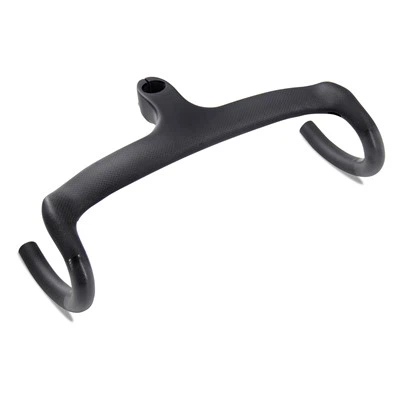
Road Bike Handlebar If you’re interested in learning more about our carbon fiber road forks or would like to discuss your specific needs, please don’t hesitate to contact us. We’re here to help you make the right decision and find the perfect fork for your bike.
References
- "Carbon Fiber Composites: Properties, Applications, and Manufacturing Processes" by John M. Comyn
- "The Physics of Cycling" by David G. Wilson
- "Bicycle Design and Technology" by Lennard Zinn
Hunan Yecheng Technology Co., Ltd.
We’re well-known as one of the leading carbon fiber road fork manufacturers and suppliers in China, also support customized service. Please feel free to buy high quality carbon fiber road fork for sale here from our factory. For more information, contact us now.
Address: Changsha, Hunan Province, China.
E-mail: info@rxlsl.com
WebSite: https://www.rxlsl.com/
