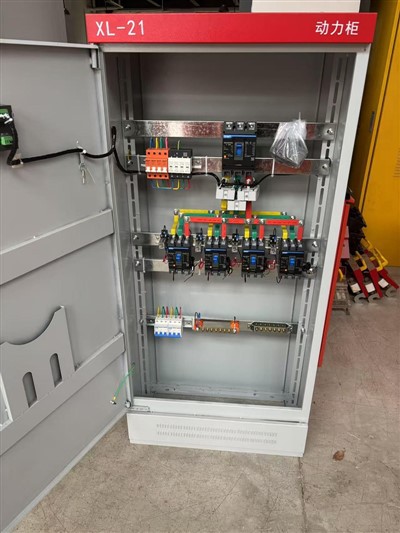
As a supplier of distribution cabinets, I’ve witnessed firsthand the critical role transformers play within these essential electrical systems. Distribution cabinets are the nerve centers of electrical networks, responsible for safely and efficiently distributing power to various loads. At the heart of many distribution cabinets lies the transformer, a device that is indispensable for regulating voltage levels and ensuring the smooth operation of electrical equipment. Distribution Cabinet
Understanding the Basics of Transformers
A transformer is an electrical device that transfers electrical energy between two or more circuits through electromagnetic induction. It consists of two or more coils of wire, known as windings, which are wound around a common core made of a magnetic material such as iron. When an alternating current (AC) flows through the primary winding, it creates a changing magnetic field in the core. This changing magnetic field then induces an electromotive force (EMF) in the secondary winding, allowing electrical energy to be transferred from the primary circuit to the secondary circuit.
The primary function of a transformer is to change the voltage level of an electrical supply. It can step up the voltage from a lower level to a higher level (step-up transformer) or step down the voltage from a higher level to a lower level (step-down transformer). This ability to change voltage levels is crucial in electrical power distribution systems, as it allows electricity to be transmitted over long distances at high voltages to minimize power losses and then stepped down to safer and more usable levels for end-users.
The Role of Transformers in Distribution Cabinets
In a distribution cabinet, transformers serve several important functions that are essential for the proper operation of the electrical system.
Voltage Regulation
One of the primary roles of a transformer in a distribution cabinet is to regulate the voltage supplied to the connected loads. Electrical equipment is designed to operate within a specific voltage range, and fluctuations in voltage can cause damage to the equipment or affect its performance. Transformers help to maintain a stable voltage level by stepping up or stepping down the incoming voltage to the appropriate level for the connected loads.
For example, in a commercial building, the incoming voltage from the utility company may be several thousand volts. A step-down transformer in the distribution cabinet will reduce this high voltage to a lower, safer level, typically 120V or 240V, which is suitable for powering lighting, appliances, and other electrical devices in the building.
Isolation
Transformers also provide electrical isolation between the primary and secondary circuits. This isolation helps to protect the connected equipment from electrical faults and surges in the primary circuit. By separating the primary and secondary circuits, transformers prevent the transfer of electrical noise, harmonics, and other disturbances from the primary circuit to the secondary circuit, ensuring the reliable operation of the connected equipment.
In addition, electrical isolation provided by transformers enhances safety by reducing the risk of electric shock. Since the primary and secondary circuits are not directly connected, there is no direct path for electrical current to flow between them, reducing the likelihood of electrical accidents.
Power Distribution
Transformers play a crucial role in distributing electrical power within a distribution cabinet. They are used to divide the incoming power into multiple circuits, each supplying power to different loads or areas of a building. By using transformers, the distribution cabinet can efficiently manage the flow of electrical power and ensure that each load receives the appropriate amount of power.
For example, in an industrial facility, a large distribution cabinet may contain multiple transformers that are used to supply power to different production lines, machinery, and equipment. Each transformer can be sized and configured to meet the specific power requirements of the connected loads, ensuring that the electrical system operates efficiently and reliably.
Load Balancing
Another important function of transformers in a distribution cabinet is load balancing. Load balancing involves distributing the electrical load evenly across multiple transformers or circuits to prevent overloading and ensure the efficient use of electrical power. By balancing the load, transformers help to optimize the performance of the electrical system and reduce the risk of equipment failure.
In a distribution cabinet, load balancing can be achieved through the use of multiple transformers that are connected in parallel. Each transformer can be sized to handle a portion of the total load, and the load can be distributed evenly among the transformers based on their capacity. This helps to prevent any single transformer from being overloaded, which can lead to overheating and premature failure.
Types of Transformers Used in Distribution Cabinets
There are several types of transformers that are commonly used in distribution cabinets, each with its own unique characteristics and applications.
Dry-Type Transformers
Dry-type transformers are a popular choice for distribution cabinets due to their safety, reliability, and environmental friendliness. Unlike oil-filled transformers, dry-type transformers do not use oil as a cooling and insulating medium, which eliminates the risk of oil leaks and fires. They are also more compact and require less maintenance than oil-filled transformers, making them ideal for use in indoor applications such as commercial buildings, hospitals, and schools.
Oil-Filled Transformers
Oil-filled transformers are typically used in larger distribution cabinets and outdoor applications where high power ratings are required. They use oil as a cooling and insulating medium, which provides excellent electrical insulation and heat dissipation properties. Oil-filled transformers are more efficient than dry-type transformers and can handle higher power loads, but they require more maintenance and pose a greater risk of environmental contamination in the event of an oil leak.
Isolation Transformers
Isolation transformers are used to provide electrical isolation between the primary and secondary circuits. They are commonly used in applications where electrical noise, harmonics, or other disturbances need to be eliminated or reduced. Isolation transformers are often used in sensitive electronic equipment, such as computers, medical devices, and audio systems, to protect the equipment from electrical interference and ensure its reliable operation.
Choosing the Right Transformer for Your Distribution Cabinet
When selecting a transformer for your distribution cabinet, it is important to consider several factors to ensure that the transformer meets the specific requirements of your electrical system.
Power Rating
The power rating of a transformer is one of the most important factors to consider. It is measured in kilovolt-amperes (kVA) and indicates the maximum amount of electrical power that the transformer can handle. To determine the appropriate power rating for your distribution cabinet, you need to calculate the total power requirements of the connected loads. This can be done by adding up the power ratings of all the electrical devices that will be connected to the distribution cabinet.
Voltage Ratio
The voltage ratio of a transformer is another important factor to consider. It determines the relationship between the primary and secondary voltages of the transformer. When selecting a transformer, you need to ensure that the voltage ratio is appropriate for the incoming voltage and the voltage requirements of the connected loads. For example, if the incoming voltage is 480V and the connected loads require 120V, you will need a step-down transformer with a voltage ratio of 4:1.
Efficiency
The efficiency of a transformer is a measure of how effectively it converts electrical energy from the primary circuit to the secondary circuit. A more efficient transformer will waste less energy in the form of heat and will operate more economically. When selecting a transformer, it is important to choose a model with a high efficiency rating to minimize energy losses and reduce operating costs.
Size and Mounting
The size and mounting requirements of the transformer are also important considerations. You need to ensure that the transformer will fit within the available space in the distribution cabinet and that it can be easily installed and maintained. Some transformers are designed for wall-mounted installation, while others are designed for floor-mounted installation. You also need to consider the weight of the transformer and ensure that the mounting structure can support it.
Conclusion

Transformers play a crucial role in the operation of distribution cabinets, providing voltage regulation, electrical isolation, power distribution, and load balancing. As a supplier of distribution cabinets, I understand the importance of selecting the right transformer for each application to ensure the reliable and efficient operation of the electrical system.
Secondary Distribution Box If you are in the market for a distribution cabinet or need assistance in selecting the right transformer for your electrical system, I encourage you to contact us for a consultation. Our team of experts can help you determine the specific requirements of your application and recommend the most suitable transformer and distribution cabinet solution.
References
- Electric Power Distribution Handbook, by W. H. Kersting
- Transformer Engineering: Design, Technology, and Diagnostics, by V. K. Mehta and Rohit Mehta
- Electrical Installation Guide, by Schneider Electric
Anhui Nanxian Electric Co., Ltd.
With abundant experience, we are one of the most professional distribution cabinet manufacturers and suppliers in China. We warmly welcome you to buy advanced distribution cabinet for sale here and get quotation from our factory. All customized products are with high quality and low price.
Address: Factory Unit 03-2, Building 21, Feidong Yinfeng Industrial Park Co., Ltd., Northeast Corner of Manquan Road and Changle Road, Hefei Circular Economy Demonstration Park, Feidong County, Hefei City, Anhui Province.
E-mail: 541580567@qq.com
WebSite: https://www.nxelepower.com/
