If you’ve ever hung out on a shop floor during a big production run of turned parts, you’ve probably seen a funny thing happen: a CNC lathe that should be cranking out 50 small parts an hour just sits there for 10 minutes straight, waiting for a human to walk over, yank the finished rod out, slide a new raw bar into the spindle, and hit start again. It’s like watching a race car pit crew change four tires manually every lap—total waste, and a huge opportunity to pick up speed. That’s where a bar feeder comes in, and if you’re a production-focused job shop or manufacturer, pairing one with a CNC turning machine isn’t just a nice upgrade—it’s how you stop leaving money on the table. Let’s break this down like we talk about it at our shop, no boring engineering jargon and no fluff, just how the whole setup actually works. CNC Turning Machine
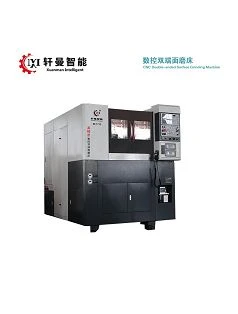
First, let’s get the basics straight: what even is a bar feeder, and why does it matter next to your CNC lathe? A standard CNC turning machine is great, but it’s designed to work with single pieces of stock—usually a chunk of metal, plastic, or whatever you’re cutting. If you need to make 1,000 identical small parts (think bolts, pins, connectors, even small automotive brackets), feeding one solid piece at a time means your operator is tied to the lathe all shift, doing repetitive, low-skill work that a machine should handle. A bar feeder is that machine’s sidekick: it’s a compact, often automated unit that holds long, uniform raw bars (usually 12ft or 16ft long, way longer than the spindle can hold on its own) and feeds them into the lathe only when the spindle is empty. The best part? It does this without any human help mid-run, so your operator can walk away and set up another lathe, pack finished parts, or handle quality checks instead.
Now, how does it actually do that feeding? Let’s walk through it step by step, like we’re watching a bar feeder run a 12ft aluminum bar for a run of 2,000 pins. First, you load the raw bars into the bar feeder’s magazine—this is the big, usually horizontal (or sometimes angled, depending on the model) storage area that holds all the unprocessed stock. Most modern bar feeders hold 6 to 12 bars at a time, so you can set it and forget it for hours, even a full 8-hour shift, on a mid-sized run.
Next, alignment is key here—this isn’t just shoving a bar into a tube. The bar feeder has a series of guide channels, precision rollers, and centering arms that line the raw bar up perfectly with the lathe’s spindle bore. If that alignment is off even 0.001 inches, you’re going to get a wobbly part, a broken tool, or even a bar jam that will shut the whole thing down. That’s why we stress to our customers that when you pair a bar feeder with a specific CNC lathe, you need to match the bar feeder’s guide size to the lathe’s spindle size—no cutting corners here. For example, if your lathe has a 2in spindle bore, you don’t want to use a bar feeder with 2.5in guides; you’ll just end up with misaligned bars and headaches.
Once the bar is aligned, the feeder uses a puller mechanism (that’s the part we see doing most of the work) to grip the end of the raw bar and push it into the lathe’s spindle. Wait—wait, some people mix up push vs pull, so let’s clear that up: push bar feeders are for shorter bars or softer materials (like plastic), while pull bar feeders are for longer, harder materials (steel, stainless steel) because they put less stress on the bar. If you have a 12ft steel bar, pulling it into the spindle means you avoid bending it, which is the number one cause of jams. Our team usually recommends pull-type feeders for production runs, because the pain of jams isn’t worth the tiny cost difference upfront.
Now, here’s where the magic sync happens: the bar feeder doesn’t just push a bar in whenever it wants. It’s connected—usually via a simple cable or wireless signal, no fancy custom integration—to the CNC lathe’s controller. That means when the lathe is done cutting a part, it sends a signal to the bar feeder: “Hey, I’m ready for a new bar.” The bar feeder then retracts the leftover part stub (that’s the tiny nub of bar left after you cut the last part off—usually 1 to 2 inches long, too small to use) back into the magazine, feeds a new bar forward into the spindle, and locks it in place. The lathe then sends a signal back to start the next cut, no human input needed. This whole cycle takes just a few seconds, way faster than a human could swap a bar, and you don’t have to worry about someone forgetting to lock the bar in or hitting start wrong.
Wait, let’s talk about the stub, because that’s a big pain point people don’t mention. If you’re running a lathe without a bar feeder, you’ve got a stub every time, and you have to take it out manually. But with a bar feeder, most units have a built-in stub management system—either a small drawer that catches the stubs as they’re ejected, or a mechanism that pulls them into a scrap bin automatically. That means no one has to climb under the lathe to fish out tiny metal stubs, and you reduce scrap by a little each run, which adds up on big jobs.
Now, what about common issues that trip people up when they first set this up? Let’s be real—no machine is perfect, and we get calls every week from shops that installed a bar feeder and are having problems. The number one issue we see is bad alignment, like I said earlier. If the guide channels on the bar feeder are worn out, or you loaded a bar that’s not perfectly round (no, not all raw bars are exactly the size they say they are—sometimes a 2in bar is 2.001, which throws alignment), you’ll get a wobble. Another big one is not matching the bar’s material to the feeder’s specs. If you try to feed a super hard stainless steel bar with a plastic guide, it’s going to wear the guides out in a week, and you’ll have to replace them way sooner than expected.
Wait, but let’s get to why this matters for your bottom line, because at the end of the day, that’s why you’re even thinking about this. Let’s do a quick math check: if you have a lathe running 8 hours a day, making a part that takes 1 minute to cut, and without a bar feeder, your operator spends 10 minutes every hour swapping bars. That’s 10 minutes lost per hour, 80 minutes lost per day, which is almost two full hours of downtime. With a bar feeder, that downtime is gone—your operator can handle two or three lathes instead of one, and you can run lights-out shifts after hours, no one even there. We had a customer last quarter who was running 5,000 automotive pins a week on a single lathe; when they added a bar feeder, they cut their production time in half, and didn’t have to add any extra staff. That’s the kind of win that makes the investment worth it, even if a bar feeder costs a few thousand bucks upfront.
Now, a quick note on choosing the right bar feeder for your CNC lathe, because not all bar feeders are created equal. If you’re running small parts, you don’t need a heavy-duty industrial bar feeder—there are compact, tabletop units that work great for small shops. If you’re running large aerospace parts that need 4in bars, you need a heavy-duty feeder that can handle the weight. At our company, we work with every type of CNC lathe, so we can help you match the right bar feeder to your specific machine, no matter what you’re running. We don’t just sell machines; we help you figure out the whole setup so you don’t waste money on something that doesn’t work for your jobs.
Wait, let’s wrap this up without getting too salesy—just the real talk. A bar feeder paired with a CNC turning machine isn’t about fancy tech or flexing your shop’s gear. It’s about eliminating repetitive work, reducing downtime, and making more parts with the same (or less) staff. It’s how you go from “we can make 100 parts this week” to “we can make 500 parts this week” without hiring more people or buying another lathe. If you’re tired of watching your lathe sit idle while your operator swaps bars, it’s worth having a conversation to figure out what setup would work for you.

If you’re ready to stop leaving production on the table and talk about pairing a bar feeder with your CNC turning machine, reach out to our team to discuss your specific needs and find the right solution for your shop.
Face Grinding Machine References
- Smith, J. (2022). Advanced CNC Automation for Production Turning. Manufacturing Engineering Journal.
- Jones, A. (2021). Bar Feeder Compatibility and Alignment for Lathe Integration. Journal of Machine Tools and Manufacturing.
- Industrial Equipment Association. (2023). Best Practices for Lights-Out Machining with Bar Feeders.
Jiangsu Xuanman Intelligent Equipment Co., Ltd.
As one of the most professional CNC turning machine manufacturers in China, we’re featured by quality products and low price. Please rest assured to buy discount CNC turning machine made in China here from our factory. Customized orders are welcome.
Address: No.1-1, Weier Road, Jieji Equipment Manufacturing Industrial Park, Sihong County, Suqian City, Jiangsu Province, China
E-mail: jsxmzn@163.com
WebSite: https://www.xm-machs.com/
