Hey there,
If you’re reading this, you’re probably dealing with hybrid spindle bearings—either you just shelled out for a set for your CNC shop, got a batch from us, or you’re tired of bearings dying way faster than they should because you stored ‘em wrong. As someone who’s been supplying hybrid spindle bearings for over 10 years (I’m not gonna throw a random company name out, but you know who you’re talking to if you’ve needed reliable hybrid bearings that don’t quit), I’ve seen every storage mistake in the book. Let me tell you straight: bad storage doesn’t just mess up the bearings—it wastes your money, tanks your machine uptime, and turns a simple bearing swap into a headache. Hybrid Spindle Bearings
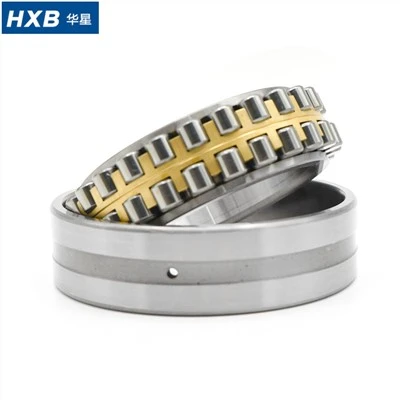
First off, let’s get one thing clear: hybrid spindle bearings aren’t your average off-the-shelf ball bearings. They’re made with a steel race (usually Chrome Steel or Bearing Steel) and ceramic balls—most often Silicon Nitride (Si₃N₄). That mix is what makes ‘em perfect for high-speed spindles, heat, and contamination, but ceramic balls plus steel races mean they’re actually more sensitive to improper storage than all-steel bearings. I’ve had customers send back bearings that “failed” but when I checked, they’d just been sitting in a damp garage for six months, and the steel races started rusting. The ceramic balls looked fine, but the rust pitting on the raceways was enough to make the bearing run rough, and that’s not a defect—that’s user error.
Let’s break down the storage rules, step by step, no boring jargon, just what actually works.
1. First Rule: Don’t Rip the Packaging Until You Need ‘Em
I swear, this is the #1 mistake people make. When our hybrid spindle bearings leave our facility, they’re sealed in factory packaging for a reason. That packaging isn’t just plastic—It’s coated in a light rust inhibitor (think like a thin, invisible grease film that’s safe for machining) and has desiccant packets tucked in if they’re the moisture-resistant type. And it’s moisture-sealed. So when you take ‘em out of the box, don’t yank off the plastic wrap right away. I’ve had a customer take a bearing out to “inspect it closer” and then leave it on his workbench for three days while he finished a part. By the time he put it back, the inner race had a faint surface rust spot—nothing major, but enough that when he ran the spindle at 12,000 RPM, it shook so bad it ruined a $500 tool. Lesson here: seal ‘em up until you’re ready to mount ‘em. If you have multiple bearings, label the packaging so you don’t mix up sizes or preload levels (we mark every bearing’s preload on the packaging, don’t lose that sticker!).
2. Control the Environment—No More “Sitting on a Shelf Next to the Coolant Pail”
Your storage spot matters more than you think. The ideal temp is between 18–25°C (65–77°F) and humidity under 50%. That’s not some fancy lab number—It’s the range where the rust inhibitors on the bearing don’t break down and moisture doesn’t get a chance to cling to the steel races. A lot of small machine shops store parts on a shelf near the coolant or wash station, where humidity can hit 70% or higher, especially in humid climates. Bad idea. Even if you don’t see rust, high humidity will eat away at that rust inhibitor over time, leaving the raceways vulnerable.
Also, avoid temperature swings. If you put your bearings in a cold closet in winter and then move ‘em to your warm shop in the morning, condensation can form on the bearing. That’s basically water getting right on the steel race. Fix? Keep your storage space at a consistent temp, or if you have to move ‘em, let ‘em acclimate to the shop temp for 2–3 hours before opening the packaging. I learned this the hard way early on—we had a customer who got a shipment in the dead of winter, unboxed ‘em right away, and a week later had to return three bearings with surface rust. Turned out he’d moved the cold bearings straight from the truck to his warm shop, no acclimation. Oops.
3. How to Stack ‘Em—No Heavy Stuff on Top, No Sharp Edges Nearby
Hybrid spindle bearings are precision parts. Their raceways are finished to microns—like, a few millionths of an inch. If you stack a heavy part on top of a sealed bearing, or set a sealed bearing on a hard edge, you can warp the raceway. Warped raceway = bad runout = ruined parts.
When storing sealed, boxed bearings: lay the cardboard boxes flat, don’t stack more than 3–4 high. That’s enough, any more and the bottom boxes will get squished just enough to bend the inner race. If you take bearings out of the box temporarily (say, to take a pair out for a project), don’t set them directly on the workbench. Use a soft, clean surface—like a lint-free cloth or a rubber mat. Never set them on metal tools or sharp edges, because even a tiny nick in the raceway is a death sentence for a spindle bearing. A nick that’s too small to see with your eye will cause noise and vibration at high speeds.
4. What If You Have to Store Bearings Long-Term (Over 6 Months)?
This is the next level. If your hybrid spindle bearings are sitting for longer than 6 months, you can’t just leave ‘em in the original packaging and forget about ‘em. The rust inhibitor in the packaging will break down after 6–12 months, depending on how humid your shop is. So what do you do? Either:
- Re-seal them in anti-rust paper or bags with new desiccant. We sell these to our customers, they’re cheap, and they’re perfect for long-term storage. Make sure you remove all dust and dirt first before sealing—even a tiny spec under the bag can scratch the ceramic balls.
- Or, if you’re comfortable with it, do a “light preservation” with a compatible oil. Use a spindle-specific oil (not WD-40, trust me—WD-40 is for loosening stuff, not protecting precision parts) and apply a super thin coat to the raceways and balls. Then wrap them in anti-static paper (ceramic is static-sensitive too, that’s another thing I don’t hear enough about!) and store them in a sealed container.
Important: If you do this, don’t overdo the oil. A thick coat will leave residue when you mount them, which will mess up the spindle’s lubrication system. Just a light mist or wipe is enough. I’ve had customers use way too much oil, and when they ran the spindle, it smoked for 10 minutes until the excess burned off. Not good, not good at all.
5. Red Flags to Watch For Before Mounting (Even If They’ve Been Stored “Perfectly”)
Before you throw a stored bearing into your spindle, do a quick check—don’t just assume it’s fine. Take the bearing out of the packaging (only after it’s acclimated!) and look it over. No rust spots, no nicks, no dents on the raceways or the bearing’s outer ring. For sealed hybrid bearings, you can’t spin the ceramic balls easily, but if you hear any grinding or rough feeling when you gently wiggle the inner race, that’s a sign something’s wrong. Also, check the packaging’s expiration date if it has one—we mark ours, because even the best packaging only protects for so long.
Why This Matters to You, Not Just Me
Let’s be real: hybrid spindle bearings aren’t cheap. A good set of two might run you $200–$500, depending on size and preload. If you store ‘em wrong, you’re throwing that money away. And if you have a spindle go down because a stored bearing was bad, that’s hours of downtime, missed deadlines, and possibly damaged parts. I’ve seen a shop lose $1,000 in an hour because a stored bearing failed mid-run. It’s avoidable.
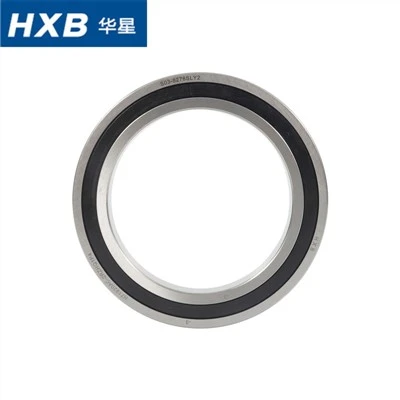
At the end of the day, storing hybrid spindle bearings properly is about respecting their precision. They’re built to make your spindles run fast, smooth, and reliable—so don’t skip the small steps to keep them that way before you even mount them.
Electric Motor Bearings If you have questions about storing hybrid spindle bearings, or you need a fresh set that’ll hold up no matter how you store ‘em (we package ours extra tight, just in case), hit us up to chat about your needs. We’re here to make sure your bearings last as long as they should, starting with proper storage.
References
- Handbook of Lubrication and Tribology, Volume II: Theory and Design, CRC Press, 2012.
- SKF Hybrid Spindle Bearing Storage Guidelines, SKF Group, 2021.
- Ceramic Ball Bearing Handling and Storage Best Practices, American Bearing Manufacturers Association (ABMA), 2019.
Hangzhou Huaxing Kechuang Holding Group Co., Ltd.
Hangzhou Huaxing Kechuang Holding Group Co., Ltd. is one of the leading manufacturers and suppliers of hybrid spindle bearings in China, featured by quality products and good service. Please rest assured to buy bulk durable hybrid spindle bearings from our factory. Welcome to view our website for more information.
Address: No.553 Yingbin Road, Linping, Hangzhou, 311100, China
E-mail: wmb@huaxingbearing.com
WebSite: https://www.hxbbearing.com/
