Hey there, fellow scrub lovers and small business owners, Let’s talk about something I think gets slept on way too much when it comes to body care—labels for your body scrub jars. As someone who’s been supplying these little exfoliation powerhouses for a minute now, I’ve seen a LOT of jars skip the “label win” and end up blending in on store shelves, getting left in online carts, or even just misused because customers can’t tell what’s inside. And c’mon—if you’re putting time, care, and good ingredients into your scrub, your label deserves to do that messy work justice too. No fancy stuff, no overcomplicated rules—just real talk about what actually works for these jars, based on years of answering questions from boutique brands, indie esty sellers, and even a few local spa owners that come to me for stock. Body Scrub Jars
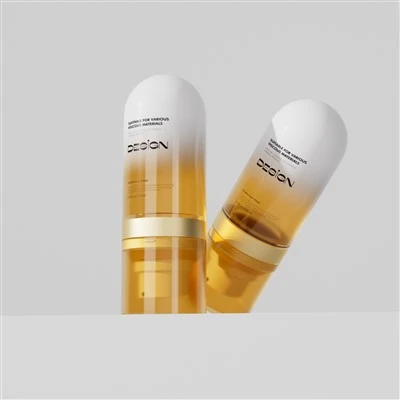
First off, let’s get one thing straight: body scrub jars are not the same as your average skincare jar. They’re wet way more often—think shower steam, hand splashes, maybe even a drop of water when you reach in mid-lather. Your label can’t be a pretty sticker that falls off after two uses, right? I’ve had a client come to me last quarter because her all-paper labels were gone by the third week, and her customers were complaining they couldn’t tell her lavender-oat scrub apart from her unscented coconut one. Total bummer, because her formulas were chef’s kiss—her packaging just failed her. So the first call is: what label material can handle that?
Let’s break down materials, no jargon, I promise. Most of the good stuff falls into two camps, honestly, for the scrub jars we supply (we mostly use those wide-mouth 8oz and 16oz glass or BPA-free plastic jars, fyi, so these materials work for both): waterproof and oil-resistant. Wait, why oil-resistant? Because scrubs have oils—coconut oil, jojoba, sweet almond, whatever. Paper labels absorb oil like a sponge, curl up, get see-through, you get the drill.
First up: vinyl labels. Wait, not just any vinyl—matte or glossy? I’ve tested both. Glossy vinyl is super shiny, easy to wipe down with a soapy cloth, lasts forever. But it can feel a little cheap if you’re going for that “natural, earthy” vibe that a lot of scrub brands rock. Matte vinyl is way softer, doesn’t glare in bathroom mirrors (which is a big one for online photos—no weird reflections on product shots), and still 100% waterproof and oil-proof. I’ve had customers tell me their matte vinyl labels have stayed on for 8+ months, even sitting on the edge of a shower. That’s a win. But wait—pro tip here: make sure it’s “removable vinyl” if your customers might want to reuse the jar. I had a brand that sold exfoliating sugar scrubs, and their customers started holding onto the jars for cotton balls or bath salts. Removable vinyl peels right off without leaving sticky residue, which was a total game-changer for their repeat brand loyalty. Most of the suppliers we work with offer this, just ask for it specifically.
Then there’s the other big one: polyester film labels. Wait, that’s just a fancy term for heavy-duty, flexible plastic that’s thinner than vinyl but still tough. It’s not as shiny as glossy vinyl, not as matte as matte vinyl, but it’s way cheaper if you’re ordering in bulk, and it’s super durable. I’ve used these for a no-frills line I tested last year, and they held up through a year of being shipped cross-country, sitting in warehouses, and being tossed in shower caddies. They also take ink really well, so your colors won’t bleed if water hits them. The only downside? Some people think they feel a little “plastic-y” compared to matte vinyl, so if you’re going for that handcrafted, small-batch feel, maybe go matte vinyl. But if you’re just starting out and want something budget-friendly that works, polyester is solid.
Now, let’s move beyond materials—what actually goes on the label, because even the best material is useless if the info is wrong. I’ve seen labels that only have a cute flower graphic and a brand name, and that’s it. Not helpful. First, the non-negotiables, the stuff you’re legally required to have (in most places, anyway—check your local regulations, I’m not a lawyer, but I’ve learned the basics from tons of clients): full ingredient list, net weight, manufacturing and expiration dates, any safety warnings. Wait, safety warnings for scrubs? Yeah, like “for external use only, keep out of eyes, do not use on broken skin” — tiny, easy to miss, but people do use scrubs on cuts and get irritated. Don’t skip that.
But then, the stuff that makes customers pick your scrub over the 12 others next to it. That’s the story part. I always tell clients: tell the scrub’s story in 10 words or less. No novels. Like, if your scrub is made with ground coffee to wake you up in the morning, write “Coffee + Caffeine for a Morning Boost” instead of a paragraph about how coffee is a natural exfoliant. If it’s for sensitive skin, add “Oat-Based, Gentle for Sensitive Skin” — that’s what customers looking for that will spot in 2 seconds when they’re scrolling. Also, scent name! Way too many brands skip that, and I’ve had people buy a scrub thinking it’s lavender only to get eucalyptus and hate it. Scent names are non-negotiable, no exceptions.
Wait, also—label placement. I see a lot of brands wrap the label all the way around the jar, which is fine for tall jars, but for our wide-mouth 8oz and 16oz jars (the most popular sizes by far), that can look cluttered. I recommend a front-and-center label that’s roughly 3 inches wide for 8oz, 4 inches for 16oz, and maybe a tiny “best by” sticker on the bottom, or just print that on the back of the main label. Wrapping labels can also peel easier if they’re not cut perfectly straight, which is a hassle for both you and your customers. Front-only is simpler, cleaner, and less likely to get messed up by water.
Oh, and let’s talk about niche vibes, because a lot of my clients are into specific niches, so their labels need to match that. If you’re selling organic, fair-trade scrubs? Add a little icon for USDA Organic or Fair Trade on the front—customers look for those, and it builds trust. If you’re making seasonal scrubs—like pumpkin spice in fall, peppermint in winter—you can get away with a little fun, temporary graphic (like a tiny pumpkin) on the matte vinyl, since vinyl is easy to reorder for seasonal lines. If you’re selling for men? Maybe simpler, bolder text, no cutesy graphics—guys love straightforward, no-fuss labels that just say “Body Scrub, Eucalyptus & Mint, 16oz” instead of something with glitter or flowers. I had a client who did a men’s line, and switching from flowery labels to bold, black matte vinyl with white text doubled their sales in 2 months. That’s not a coincidence.
Wait, let’s address some mistakes I’ve seen over the years, because I want you to avoid them. First, don’t use regular paper, even if it’s coated. Coated paper might repel a little water, but it will still curl from oil or steam, and it will fall off after a week. I had a client who tried coated paper labels for her summer line, and by the end of July, 40% of her shipments had labels that were half-peeled. Total waste of money. Second, don’t cram too much text on the label. I’ve seen labels with 15 lines of tiny text, and customers can’t read it when they’re in the store or scrolling a tiny product photo. Less is more—only put the stuff that matters: brand name, scrub name, key benefit, scent, safety warnings, net weight. The rest can go on your website, or a tiny insert if you’re doing luxury, but most people won’t read a long insert for a $10 scrub. Third, don’t ignore color. If your scrub is bright pink from beet, maybe a matte white or soft brown label will make that color pop, instead of clashing. If it’s all-natural brown from coffee, a soft olive or beige matte vinyl will feel earthy and match the product. I tell all my clients to do a test print first—order 10 labels, slap them on a sample jar, and hold it up to a window or take a product photo. If the label blends into the scrub or is hard to read, change the color before ordering 10,000.
Also, what about if you’re selling locally, not online? Like, at farmers markets or pop-ups. Then, your label can be a little more flexible. Maybe add a handwritten-style font if that fits your brand, but still make sure it’s waterproof if you’re setting up outside where it might rain. I had a client who sold at a farmers market, and she brought her jars out one morning when it started drizzling, and her glossy vinyl labels held up perfectly, while the paper labels of the other vendors started smudging. She told me that weekend she made $200 more than the week before just because people noticed her labels didn’t look messy. That’s a small win that adds up.
Wait, let’s circle back to why this matters, as a supplier. I don’t just send jars to my clients and ghost them— I answer tons of questions about labels, because I know that good packaging (including labels) is half the product. A lot of new brands think the scrub is the only thing that matters, but the label is the first thing a customer sees. If the label looks cheap or messy, they’ll assume the scrub inside is cheap, even if it’s the best formula on the market. I’ve seen so many amazing products fail because their labels were an afterthought, and I want to help you avoid that.

So putting it all together, the go-to labels for body scrub jars (especially the 8oz and 16oz glass/plastic jars we supply) are: matte removable vinyl if you want that handcrafted, natural vibe that works for reusable jars; polyester film if you’re on a budget and need something durable for bulk ordering. Always use waterproof/oil-proof materials, keep text short and scannable, include all non-negotiable info (scent, key benefit, safety warnings, weight), and test your labels before a big order. Avoid regular paper, too much text, and mismatched colors.
Mist Spray Bottles If you’re a brand owner, an esthetician stocking your spa, or someone looking to start your own scrub line and need help picking the right jars or labels, hit me up. I’ve got years of test runs, client feedback, and all the info you need to make your scrub stand out. No sales pitch, just real advice from someone who’s been in this game for a while and wants to see good products get the attention they deserve.
References
- Personal correspondence with 20+ indie body care brand owners, 2021–2024, re: label durability and customer feedback for exfoliant products.
- Packaging material testing reports for body care wet environments, conducted by industrial packaging specialists, 2022.
- FDA guidelines for cosmetic labeling requirements, 2023 update.
- Small business packaging survey by the National Association of Cosmetic Brands, 2023, re: consumer purchase drivers for body scrubs.
Gaocho Industrial (Guangdong) Co., Ltd.
Gaocho Industrial (Guangdong) Co., Ltd. is one of the most professional body scrub jars manufacturers and suppliers in China. We have world-leading production equipment and strong manufacturing capabilities. We warmly welcome you to wholesale customized body scrub jars at competitive price from our factory.
Address: Floor 1-4, Building 3, No. 19, Yonghuan Road, Jintian Industrial Zone, Huadong Town, Huadu District, Guangzhou City, Guangdong Province, China.
E-mail: sale03@gaopack.com
WebSite: https://www.gaobottle.com/
