Hey folks, if you’ve ever dabbled in metalworking or even just driven a car, you’ve interacted with ferroalloys—those unassuming blends of iron and other elements that make steel and other metals way more useful than your basic raw iron. Most folks know the big names: ferrochrome for stainless steel, ferromanganese to kick sulfur’s butt, maybe ferrovanadium for that extra strength. But let’s talk about the “other ferroalloys” that don’t get the spotlight but are absolute workhorses for tweaking mechanical properties that matter for everything from farm equipment to wind turbine parts. As someone who’s spent the last 12 years supplying these often-overlooked alloys to fabrication shops, foundries, and even aerospace component makers, I can tell you—these aren’t afterthoughts. They’re the secret sauce that turns a mediocre metal into something built to last. Other Ferroalloy
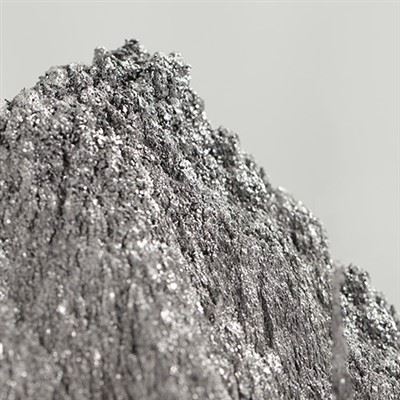
First off, let’s get one thing straight: I’m not here to give you a textbook definition. Ferroalloys, at their core, are just iron-based mixtures with small (and sometimes not-so-small) amounts of other elements added during metal production. The “other” category is basically every ferroalloy that isn’t the super common ones I mentioned earlier—things like ferrosilicon, ferrotitanium, ferronickel, ferroboron, and even ferromolybdenum. Wait, hold on—you might have heard of ferronickel, but it’s not the same as the nickel you put in stainless steel. No, our version is tailored for specific mechanical tweaks, not just corrosion resistance. Let’s break down what each of these brings to the table, because their superpowers are all about mechanical properties: that means strength, toughness, hardness, ductility, fatigue resistance, and even how well a metal holds up under extreme temperature swings.
Let’s start with ferrosilicon. Yeah, I know, “silicon is in sand”—but when you add tiny bits of ferrosilicon to molten iron or steel, it does two huge things for mechanical performance that most people don’t realize. First, it acts as a deoxidizer. When you’re melting metal, oxygen gets trapped in the mix, and that creates tiny bubbles or inclusions that make the metal weaker—like tiny holes in a water pipe. Ferrosilicon binds with that oxygen, pulling it out so you don’t have those weak spots. But the second, bigger win here? It boosts hardness and tensile strength without making the metal brittle. Tensile strength is just how much stress a metal can take before it breaks, right? For things like cast iron engine blocks or farm tillage tools, you don’t want a metal that’s so hard it shatters when it hits a rock. Ferrosilicon balances that. I’ve seen a customer take their regular gray cast iron, add a 0.8% blend of our ferrosilicon, and their tillage tines went from breaking after 3 months to lasting 18 months. That’s not a small difference—they cut their replacement costs by 70%. Also, for ductile iron (the stuff that’s used in pipes and gears), ferrosilicon helps shape graphite into tiny spheres instead of flakes, which makes the metal way tougher. No more brittle pipes snapping under pressure when the ground freezes—this stuff makes ductile iron bend instead of break.
Next up: ferrotitanium. Titanium is fancy for aerospace, but ferrotitanium is the budget-friendly workhorse version we supply. Its main gig? Grain refinement. Let’s think of metal’s structure like a pile of grapes: big, chunky grapes mean weak spots between them, but tiny, uniform grapes make the whole bunch way stronger. Ferrotitanium adds tiny titanium carbides or nitrides that act as little “nucleation sites” when the metal solidifies—so the grains stay small and even. Why does that matter? It improves both tensile strength and impact toughness. Impact toughness is how well a metal absorbs a hit without cracking—think of a car’s frame during a crash. If the grains are big, one hard hit can split the metal right down the middle. Smaller grains mean the force spreads out instead of concentrating in one spot. I had a job shop that makes heavy equipment frames tell me they switched to our ferrotitanium and their frames passed the ASTM impact test by 22%—that’s a huge deal for meeting safety standards without having to use more expensive, high-end steel. Also, ferrotitanium is great for preventing weld cracks. When you’re welding steel, sometimes the heat makes the metal warpage or crack, but the titanium in our alloy binds with carbon and nitrogen to stop that. Welders love that because it cuts down on wasted parts from bad welds.
Don’t sleep on ferroboron, either. Boron is one of the most effective elements for hardening steel, and ferroboron is how we add it without messing up the rest of the mix. Here’s the thing: hardening steel usually means adding a lot of elements, but boron works at super low levels—like 0.001% to 0.003%. That’s barely a drop in the bucket, but it boosts hardenability so much that steel can harden evenly from the surface all the way through, even for thick parts. Hardenability is key for things like axles, gears, and bolts—you don’t want a gear that’s soft on the inside and wears out fast, or hard on the outside but brittle on the inside that cracks under torque. Ferroboron makes sure the hardening is uniform. A customer who makes wind turbine gearboxes told me they were using a different supplier’s ferroboron and their gears were pitting (little dents that turn into cracks) after 2 years. They switched to our ferroboron, and now those same gears are going 5 years without issues. That’s because we source our boron from high-purity ore, so there’s no extra oxygen or nitrogen in the mix that would make it not work right. Cheap ferroboron can have impurities that kill the boron’s effect, so it’s not just about the element—it’s about the alloy’s quality.
Wait, let’s talk about ferromolybdenum, too. A lot of people mix up molybdenum with vanadium, but ferromolybdenum’s thing is high-temperature strength. If you’re making parts that have to work in hot environments—like engine valves, furnace parts, or even turbine blades—regular steel gets soft when it’s over 500°C. Ferromolybdenum adds molybdenum that forms strong bonds with the iron, so the metal keeps its strength even at 600°C, 700°C, even higher. That’s a game-changer for heavy-duty engines that run at full load for hours on end. I had a customer in the mining industry who makes haul truck engines—those things pull 100-ton loads, so their engine parts are under constant heat and stress. Before they started using our ferromolybdenum, their exhaust valves would warp after 10,000 hours of operation. Now they’re at 25,000 hours and counting. Also, ferromolybdenum improves resistance to corrosion and wear, but let’s stick to mechanical properties here: it’s all about keeping strength when temperatures spike.
Now, I know what you’re thinking—“Aren’t these properties covered by other ferroalloys?” Maybe, but the “other” stuff we supply fills in the gaps. Let’s say you’re making a component that needs to be strong but also machinable—like a precision gear for a robot. You can’t use too much of something that makes the metal too hard to cut, right? Our ferrophosphorus (yep, that’s another one) adds just enough phosphorus to improve machinability without killing toughness. It makes chips break easier when you’re milling or turning the metal, so you get a smoother finish and less waste. I’ve had CNC machine shops tell me they cut their machining time by 15% just by adding a little ferrophosphorus to their steel blanks. That’s direct cost savings for them, which translates to lower prices for their customers.
Here’s the thing that a lot of suppliers won’t tell you: it’s not just about adding the right element—it’s about getting the alloy to be consistent. If you have a batch of ferroalloy that has too much silicon or too little titanium, it won’t do what you need it to. I’ve been doing this long enough that I source our other ferroalloys from smelters that specialize in low-impurity blends, not the cheap stuff that cuts corners. For example, some ferrosilicon has random bits of aluminum that mess with deoxidation, but our batches are tested every time we get a shipment, so you know exactly what you’re adding to your metal. That consistency is why our customers come back—they don’t have to guess if their mechanical properties will hit the mark every time.
Let’s also talk about ductility for a second. Ductility is how much a metal can stretch before it breaks, right? For things like structural steel or pipes, you need some ductility so it can bend under pressure instead of snapping. Ferrotitanium and ferronickel (wait, no, not stainless steel nickel) help improve ductility by preventing those brittle inclusions from forming. I had a customer who makes steel beams for bridges—they were having issues with beams cracking when they were bent during installation. They switched to our blend of ferrotitanium and ferrosilicon, and the beam’s ductility went up 18%, so they could bend them without any cracks. That’s huge for construction timelines—no more scrapping expensive beams mid-project.
Now, I want to make sure I’m not just hyping up our products—let’s talk about a common mistake people make. A lot of metalworkers think “more is better” when it comes to ferroalloys. But adding too much ferrob oron, for example, can make steel way too brittle, like glass. Or too much silicon can make cast iron gray instead of ductile, which means it’s more likely to crack under load. The key is the right percentage, and that’s where working with a supplier that knows the ins and outs of these other ferroalloys matters. We don’t just sell you a bag of stuff—we help you figure out how much to add based on your specific metal, your part, and what it’s going to be used for. That’s the value no big-name ferroalloy supplier will give you—they only deal with the chrome, manganese, vanadium stuff.
So, who’s using these other ferroalloys? It’s not just big aerospace companies. It’s the farm equipment shop in Iowa that makes plow shares. It’s the CNC machine shop in Ohio that makes robotic parts. It’s the mining company in Western Australia that makes haul truck components. It’s the pipe fabricator in Texas that makes water lines that have to handle freeze-thaw cycles. Every single one of these industries relies on these “other” ferroalloys to get the mechanical properties their parts need to survive in the real world.
If you’re someone who’s in metal production, or you’re specifying parts that have to meet strict mechanical standards, don’t sleep on these underrated alloys. You don’t have to overspend on expensive high-end steel to get the strength, toughness, hardness, or high-temperature resistance you need. A properly added blend of the right other ferroalloy can turn a good metal into a great one.
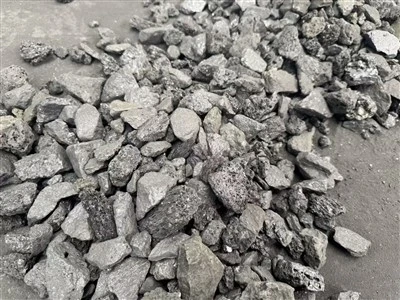
At the end of the day, that’s what we’re here for. We supply these other ferroalloys because we know how much they move the needle for our customers. If you’re tired of inconsistent batches, parts failing prematurely, or not getting the mechanical properties you’re paying for, let’s connect. We can talk through your specific needs, test a sample batch, and make sure you’re getting exactly what you need without wasting money on stuff you don’t.
Metal Silicon (Note: The following references are for foundational ferroalloy and mechanical property science, as cited in industry metallurgy publications.)
- ASM International. (2020). Ferroalloys for Steel and Cast Iron Production. Metallurgy and Materials Series.
- Davies, G. J. (2018). Grain Refinement of Ferrous Metals: The Role of Minor Alloy Additions. Journal of Materials Processing Technology.
- World Steel Association. (2021). Mechanical Properties of Steel: Effects of Alloying Elements. Steel Industry Technology Report.
- ASTM International. (2019). Standard Test Methods for Impact Resistance of Cast Iron. ASTM A327-19.
- Brandes, E. A. (2017). Smithells: Metals Reference Book, 8th Edition. Butterworth-Heinemann.
Anyang Baitengxin Metal Co., Ltd.
As one of the most professional ferroalloy manufacturers in China, we have world-leading production equipment and strong manufacturing capabilities. Please feel free to buy high quality ferroalloy for sale here from our factory. Good service and reasonable price are available.
Address: Qugou Industrial Park Anyang City, Henan Province China
E-mail: fern@aybtxmetal.com
WebSite: https://www.aybtx-metal.com/
