Hey everyone, it’s [My Business Name] here—your go-to sticker supplier, and today we’re diving into something that’s been on my mind a lot lately: sticker coatings. If you’ve ever ordered stickers from us or any other supplier, you might’ve noticed some feel smooth, some are water-resistant, and some even don’t smudge when you scribble on them with a marker. That’s all thanks to coatings, and trust me, it’s way more interesting than it sounds (okay, maybe not as exciting as the latest sticker release, but still important!). Sticker
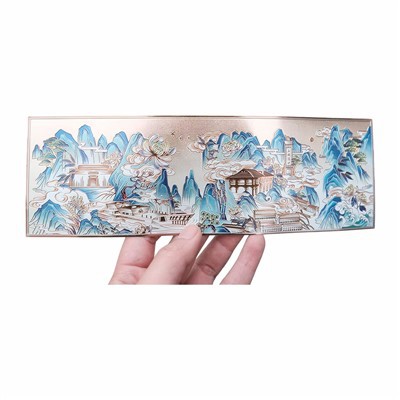
First off, let’s keep this real. I don’t want to bore you with a bunch of jargon, so let’s break it down like we’re chatting over coffee. A sticker coating is basically a thin layer of material we add to the top (sometimes the bottom) of your sticker to tweak how it performs. Think of it like a clear, invisible shield—except it does way more than just “keep things safe.” Depending on what you’re using your stickers for, the right coating can make or break how useful they are. I’ve seen so many customers order stickers for their small business labels, water bottles, or event giveaways and then get frustrated when they smudge in the rain or peel off after a week. Nine times out of 10, that’s because the wrong coating was used.
Let’s start with the most common one we use here: aqueous coating. Wait, I know, that sounds technical, but it’s actually water-based, super eco-friendly, and the workhorse of the sticker game. We use this for like 60% of the stickers we ship out, and here’s why: it’s affordable, dries fast, and gives stickers a nice, subtle glossy finish without making them feel cheap. But here’s the tea: aqueous coating is water-resistant, not waterproof. If you leave a sticker with aqueous coating sitting in a puddle for hours, it might start to bubble up a little. It’s perfect for indoor use—like laptop stickers, event badges, or product labels that won’t get splashed often. I tell all our new customers: if you’re making stickers for a craft fair, party favors, or your small business’s order inserts, aqueous is your guy. It’s reliable, doesn’t mess with print quality (we print right over it sometimes, no weird smearing), and doesn’t harm the environment, which is a win for both you and me.
Next up: UV coating. This one’s for the people who need their stickers to survive some tough love. UV coating is applied with, well, ultraviolet light to cure it, so it’s way tougher than aqueous. It’s fully waterproof, scratch-resistant, and even blocks some of that harsh sunlight that makes stickers fade over time. I’ve had customers come to us with stickers they bought elsewhere for their brand’s outdoor signs or bike decals, and they’d come back after a month saying they peeled or looked faded. Switching to UV coating fixed that immediately. The only catch? It’s a bit more expensive than aqueous, and it’s a tiny bit thicker, so if you’re going for a super slim, delicate sticker (like those tiny ones for phone cases), UV might not be your best bet—we’ve had some customers test it and say it felt a little bulky for their needs. But if you’re making stickers for water bottles, car windows, or outdoor events where they’ll be exposed to elements, UV is non-negotiable. I once had a local gym order 500 UV-coated water bottle stickers for their summer camp, and they emailed us a month later saying they’d been through pool days, hikes, and all kinds of stuff, and not a single one had faded or peeled. That’s the kind of win we live for here.
Then there’s laminate coating, which I like to think of as the heavy-duty big brother of UV. Wait, is that accurate? Maybe, but let’s be honest, laminate is basically a clear plastic film that we apply to the sticker, and it’s next-level tough. It’s completely waterproof, scratch-proof, tear-proof—you could practically take a sticker with laminate, put it in the washing machine, and it’d still look good. We don’t use laminate as often because it’s more expensive and it makes stickers a bit thicker, but it’s perfect for things like construction equipment labels, hard hat stickers, or items that get really rough treatment. A few months back, a landscape company reached out because their old equipment labels were peeling off after a few weeks of dirt, rain, and sunlight. We switched them to laminate-coated stickers, and they told us three months later, all the labels were still crisp and intact. The only downside? Laminate can sometimes leave a little “plastic” feel if you run your fingers over it, and it’s not as flexible as other coatings, so it’s not great for curved surfaces that need to bend a lot. But if toughness is your top priority, laminate is the way to go.
Wait, let’s not forget about matte coating, because not everyone wants glossy or shiny stickers. Some customers (like those making wedding favors, minimalist brand labels, or vintage-style stickers) prefer a more understated look. Matte coating is another water-based one, just like aqueous, but it’s designed to give a flat, non-glossy finish. It still offers water resistance, just not as much as UV, and it doesn’t have that shiny glare that some people hate. I love working with customers who want matte because it feels more sophisticated, and it works really well for things like wine bottle labels, stationery, or art prints that are being turned into stickers. I had a freelance graphic designer come to us last year making stickers for a line of cozy journals, and she insisted on matte coating because it matched the minimalist vibe she was going for. Her customers went crazy for it, and she reordered twice in six months. That’s the kind of personal touch I love being part of—understanding what the customer’s vision is and picking the right coating to make that vision real.
Now, let’s talk about some myths I hear all the time, because it’s important to get this right. First myth: “All coatings are the same.” No way. Aqueous is not UV, UV is not laminate, and matte is a totally different animal. I’ve had customers ask for “waterproof stickers” but then get aqueous and be upset when they get splashed—my bad for not explaining it clearly, but now you know, too. Second myth: “Coatings just make stickers shiny.” Nope, as we saw with matte, some make them not shiny, and they all do different things for durability. Third myth: “Adding a coating makes stickers way more expensive.” Yeah, sometimes it’s a little extra, but it’s a tiny investment that saves you from having to reorder stickers because they faded or fell off. At the end of the day, a few cents per sticker is nothing compared to the hassle of fixing a bad batch.
Here’s another thing I want to be transparent about: when we’re talking about sticker coatings, it’s not just the top layer. Sometimes we add coatings to the bottom (the adhesive side?) Wait, no—wait, the bottom is usually the adhesive, but sometimes we add a coating to the back to prevent stickers from sticking together when they’re stacked. That’s called a release coating, and it’s super important. If you’ve ever bought a sheet of stickers and had them stick to each other or to the backing way too hard, that’s because the release coating wasn’t applied right. We use a high-quality release coating here, so you can pull each sticker off the sheet easily, no peeling or tearing. That’s a small detail, but it makes such a big difference for the end user. I’ve had so many customers say that our sticker sheets are way easier to work with than others because of that.
Let me also talk about how this affects printing, because that’s a huge part of what we do. When you print a sticker, the ink goes on the surface, and if you don’t have a coating, it’s gonna smudge, fade, or run when it gets wet. We always recommend a coating for any printed sticker, unless it’s just a plain color or something that won’t be handled much. Even if it’s an indoor sticker that won’t get splashed, a clear coating protects the ink from scuffs from being stuck to a laptop or a notebook. I always tell customers: if you put time and money into designing a cool sticker, don’t let it fall apart after two weeks because you skipped the coating. It’s like buying a fancy phone and not putting a case on it—you’re just asking for trouble.
Now, let’s get specific about when to pick which coating, because I know that’s what most of you are here for. If you’re making:
- Indoor stickers (laptops, event badges, order inserts): Aqueous or matte, depending on if you want shine.
- Stickers for water bottles, phone cases, or occasional outdoor use: UV coating.
- Heavy-duty stickers (hard hats, equipment, outdoor signs): Laminate.
- Vintage or minimalist style stickers: Matte coating.
That’s the quick and dirty guide I give every customer, and it’s never failed me. But here’s the thing—every project is different, and we’re here to adjust. If you’re not sure which coating is right for your project, just reach out to our team. We don’t do pushy sales here—we’ll ask you a few simple questions: what’s this sticker for? Where will it be used? How long do you want it to last? And we’ll tell you exactly what we think works best, no hidden fees, no confusing fine print.
I also want to mention that we’re always testing new coatings, because the world of stickers is evolving fast. Last year, we tried a plant-based aqueous coating that’s even more eco-friendly than our standard one—we use it now for all our bulk orders that go to sustainable businesses. It works just as well, and it’s better for the planet, which is something we care about a lot here. As a small business owner myself, I know how important it is to make choices that don’t harm the environment, and coatings are a big part of that.
Wait, let’s circle back to why I started this blog in the first place. A lot of people see stickers as just a fun little thing, but there’s a lot of work that goes into making a good one. The coating is one of the most important parts, because it’s what makes the sticker do what you want it to do. I’ve had customers come to us with a design they love, but they tried making stickers themselves and they kept smudging or peeling. When they let us handle it, picking the right coating, they were blown away by how much better their stickers looked and lasted. That’s what makes this job worth it—helping small businesses, artists, and individuals turn their ideas into stickers that actually work.
Now, I know this post got a little long, but I hope it cleared up what sticker coatings are, why they matter, and how to pick the right one. At the end of the day, the coating is your sticker’s secret superpower. It can make a good sticker great, and a great sticker last for years.
If you’re ready to order stickers, or you just have more questions about coatings, hit us up. We’re here to help you every step of the way—from picking the right size and shape to choosing the perfect coating for your needs. No question is too small, no project is too big. We work with everyone from solo artists making their first batch of stickers to big brands ordering thousands for a product launch, and we treat every order like it’s our top priority.
Thanks for hanging out with me today, and remember—when it comes to sticker coatings, knowledge is power. Go make some stickers that rock, and if you need a hand, we’re here.
Zinc Label References:
Sticker Manufacturing: Coating Types and Applications. PrintOS by HP.
Durability of Print Media Coatings: A Comparative Study. Specialty Graphics Magazine.
Eco-Friendly Coatings for Label and Sticker Industries. Sustainable Packaging Coalition.
Guizhou Mingguan Sign Nameplate Products Co., Ltd.
We’re well-known as one of the leading sticker manufacturers and suppliers in China. With abundant experience, we warmly welcome you to wholesale bulk customized sticker at low price from our factory. For quotation and free sample, contact us now.
Address: Xinpu New District, Zunyi City, Guizhou Province of China
E-mail: zhangyixuanmglabel@126.com
WebSite: https://www.mingguan-label.com/
