Hey there! If you’ve ever picked out countertops for a kitchen or bathroom, chances up you’ve stared at a pile of stone slabs and wondered which one’s gonna hold up — not just to coffee spills or hot pans, but to looking good in 10, 15, even 20 years. I’ve been selling artificial quartz stone for over 8 years now, and let me tell you, this is one of the most common questions I get from homeowners, contractors, even other stone suppliers: How does this stuff actually age? Is it gonna fade, scratch, or turn yellow after a few years of use? Artificial Quartz Stone
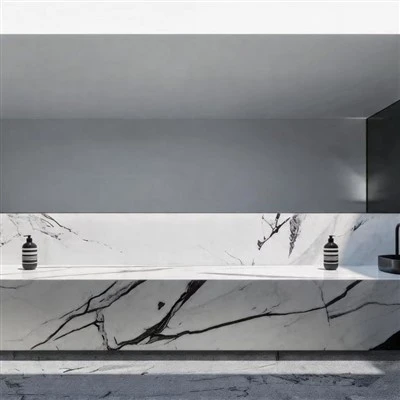
First off, let’s get one thing straight: artificial quartz isn’t the same as natural stone. Natural granite, marble, all that is just mined rock cut into slabs, but artificial quartz (we usually just call it quartz stone around the shop) is man-made. We mix crushed quartz crystals (that’s like 90-93% of the mix — yeah, those hard little rocks are the star), then add resin binders, pigments, and a couple of additives to make it sturdy. That mix gets poured into molds, pressed under high pressure, baked, and polished. So its aging process is way more predictable than natural stone, which can be tricky because it’s porous and reacts to things like acidic spills or UV light.
Now, let’s break down the main ways quartz stone changes over time, and what actually causes it. I’ve seen this play out in real life — we’ve installed stuff in condos, home renovations, even commercial spaces like cafes and small shops, so I’ve got real-world examples, not just textbook stuff.
First up: Fading, especially from sunlight. This is the one that surprises people the most. A lot of folks think, “It’s stone, it won’t fade.” But nope — the pigments in the resin (we use UV-stabilized pigments for most residential stuff, but some cheaper slabs skip that) can break down when exposed to direct, harsh sunlight over years. Wait, but hold on — quartz crystals themselves don’t fade. I’ve had customers send me pics of a slab we installed on a bathroom counter near a big window, after 7 years, and the part that’s covered by the sink base is exactly the same color as the part that’s been in the sun. The sun isn’t touching the quartz, it’s hitting the resin holding it all together. That’s why we always recommend for kitchen countertops that get tons of morning sun, or window sills, go for slabs with deeper, earthier colors — they fade way less than bright whites or pastels. I had a client once who went with a bright white quartz for their new kitchen, saved a few bucks on the slab, and by year 4, the side near the sliding glass door had a noticeable yellowish tint. Switched to a UV-stabilized slab we carry, and 5 years later it’s still perfect. That’s not a knock on our other stuff — just a heads up about what to expect.
Next up: Scratches and abrasion. Wait, but quartz is supposed to be scratch-resistant, right? Yeah, it’s way harder than granite (quartz has a 7 on the Mohs hardness scale, granite is like 6-6.5) — that means it’ll hold up against most knives, pots, even dropping a can of soup on it. But “scratch-resistant” doesn’t mean scratch-proof. Over time, daily use does add up. I’ve seen counters that are 10 years old, and they have faint, fine scratches in the areas where you set down cutting boards or drag metal pots. The reason? Even though quartz is hard, the polished surface is still a bit porous in the microscopic level — those tiny gaps in the resin can get worn down by repeated friction. Cheaper quartz stone often has a thinner resin layer, so that wear happens faster. We use thicker, more durable resin in our slabs, so I’ve got customers who’ve had our quartz for 12 years and barely have any visible scratches. Pro tip from the shop: Use cutting boards! That’s the easiest way to keep scratches from showing up, and it takes 2 seconds.
What about stains? I get this all the time — “Will red wine, coffee, or oil stain my quartz?” This is another big one, because natural marble etches and stains super easily, so people come into the shop expecting the worst. And for the most part, quartz is great with stains — again, because it’s mostly quartz crystals, which are non-porous. The resin binds everything together, so it doesn’t soak up liquids like marble does. Wait, but there’s a catch: If you leave something acidic or harsh on it for way too long, like a bottle of vinegar sitting on the counter for 24 hours, it can dull the polished surface, not stain it, but make that spot look a little less shiny. I had a client who spilled a whole bottle of balsamic vinegar and left it there for 18 hours (oops, busy day), wiped it up immediately, and there was no stain, just a tiny dull spot. We just used a polishing compound we carry, and it was gone in 5 minutes. So stains are really not a big issue with quartz — way better than natural stone, and even better than solid surface (like Corian) which can scratch and stain if you’re not careful.
Now, the big one everyone’s nervous about: Yellowing. I mentioned it earlier with that bright white slab, but yellowing can happen for a couple of reasons. The first is the resin, like I said — cheap, low-quality resin that doesn’t have UV inhibitors will break down and turn yellow over time, especially in areas that get sunlight. The second? Heat damage. Wait, quartz can handle hot pans, right? Yeah, most quartz can handle up to around 300 degrees F, but if you set a cast iron skillet that’s been on the stove (which is like 500 degrees) directly on the counter every day for years, that heat can cause the resin to discolor, or even burn a tiny spot that looks yellowish. I had a guy who swore his quartz was “faulty” because there was a yellow spot next to the stove — turns out he never used a hot pad. Once he started, it never got worse. And for white quartz specifically, the lighter pigments are way more sensitive to resin breakdown, so yellowing shows up way easier than on dark or medium colors. That’s why we always recommend our “anti-yellowing” resin formula for white slabs — it’s a little more expensive, but it’s worth it for the long run.
Wait, is there anything that makes quartz age worse than it should? Yeah, improper installation, actually. If the slab isn’t cut and sealed right (wait, no — quartz doesn’t need sealing, that’s a myth!), if the seams are messy, or if the installer uses the wrong adhesive, you can have issues like uneven color at the seams, or the slab shifting over time, which makes it look worn way faster than it should. We only work with installers we’ve vetted, because bad installation is the #1 complaint I hear, not the quartz material itself.
Now, let’s talk about what actually lasts. I’ve got a 15-year-old quartz countertop in my own home — it’s a medium gray, gets tons of use (I bake a lot, my kid drags their play kitchen across it, we spill soda and wine all the time), and it still looks pretty much brand new. The only signs of aging? A few super faint scratches that you can only see if you’re leaning right up to it, and that’s it. Compare that to my mom’s granite countertop, which is 18 years old — it has a bunch of faint stains from coffee that never got sealed right, and scratches from her using the same cutting board for 10 years. So quartz, when it’s good quality and installed right, ages way more gracefully than natural stone.
I want to be real with you here — no product is perfect, and quartz isn’t going to look brand new forever. But when you understand how it ages, you can pick the right slab for your space. If you have a bathroom window with direct sun, don’t buy a cheap bright white slab — go with a UV-stabilized medium color. If you’re a busy family with kids, avoid the super high-gloss finish if you’re worried about scratches (the matte or satin finishes hide scratches way better, I swear). If you love hosting and spill a lot, quartz is still your best bet because stains barely stick.
At the end of the day, I don’t just sell quartz stone — I’ve installed it, I use it in my own home, I’ve fixed the mistakes I’ve made (like that time I forgot to tell a client about hot pads). If you’re looking for countertops, window sills, or even wall panels that will hold up for years without looking beat up, let’s chat. We can send you samples, answer all your specific questions about your space (like how much sun your kitchen gets, how much you actually use your counters), and find the right quartz stone for your budget that will age well. No pushy sales stuff, just real talk about what works, what doesn’t, and what you can expect down the line.
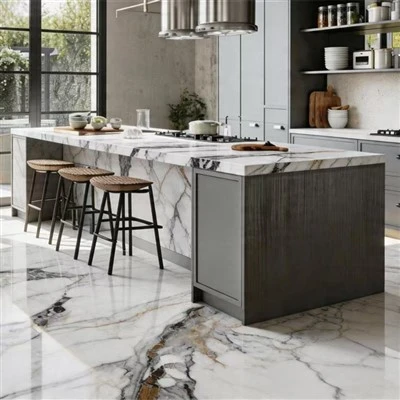
When it comes to aging quartz stone, it’s all about quality materials, proper care, and setting realistic expectations. It’s not going to stay 100% perfect forever, but if you pick the right slab and take care of it, it’ll look good for decades, way longer than a lot of other options out there.
Commercial Quartz Countertop References:
- The International Code Council. (2020). Natural and Manufactured Stone Countertop Standards. ICC Evaluation Service.
- Stone World Magazine. (2021). "Aging Characteristics of Engineered Quartz Surfaces." Stone World, Vol. 38, No. 7, pp. 42-47.
- American Society for Testing and Materials (ASTM). (2019). Standard Test Methods for Physical Properties of Engineered Stone. ASTM International, ASTM C1806-19.
- National Kitchen and Bath Association (NKBA). (2022). Kitchen Countertop Material Care and Longevity Guide. NKBA Industry Resource Library.
Wuhu Junde New Material Technology Co., Ltd.
As one of the most experienced artificial quartz stone manufacturers and suppliers in China since 1998, we warmly welcome you to wholesale top-quality artificial quartz stone made in China here from our factory. If you have any enquiry about cooperation, please feel free to email us.
Address: No.8 Yulin Road, Xinwu Economic Development Zone, Anhui Province, China
E-mail: 1127319898@qq.com
WebSite: https://www.jundequartz.com/
