Yo, folks! As a supplier of plastic live traps, I get a bunch of questions from customers about their traps not working. It can be super frustrating when you set up a trap, thinking it’s gonna catch those pesky critters, but nothing happens. So, I’m here to share some tips on how to troubleshoot a plastic live trap that ain’t doing its job. Plastic Live Trap

First Things First: Check the Placement
One of the most common reasons a trap might not work is its placement. You gotta put the trap in the right spot where the animals are actually moving around. If you’re trying to catch mice or rats, they usually like to travel along walls. So, place the trap parallel to the wall, with the entrance facing the wall. This way, they’re more likely to wander into it as they scurry along.
For larger pests like raccoons or possums, look for their paths. You can find signs of their activity, like tracks, droppings, or chewed-up stuff. Place the trap near these areas. And make sure the trap is on a flat, stable surface. If it’s wobbly, the animal might sense it and stay away.
Baiting Blues
The bait you use is crucial. Sometimes, the problem is that the bait isn’t appealing to the critter you’re trying to catch. Different animals have different preferences. Mice and rats love peanut butter. It sticks to the trigger plate, so they have to work at it to get it off, which often trips the trap.
If you’re going after squirrels, nuts like almonds or walnuts can be great. For raccoons, sweet stuff like marshmallows or canned fish can do the trick. Make sure you’re using fresh bait too. Old, stale bait might not smell good enough to attract the animals.
Another thing to watch out for is how you place the bait. It should be right on the trigger mechanism but not so much that it falls off easily. You want the animal to really engage with it to spring the trap.
Trap Mechanics
Now, let’s talk about the trap itself. Sometimes, the issue is that the trap isn’t functioning correctly. Start by checking the door. Make sure it opens and closes smoothly. If it’s sticky or jammed, it might not snap shut when the animal steps on the trigger.
The trigger mechanism is another critical part. Check to see if it’s sensitive enough. You can do a little test by gently pressing on the trigger with your finger. If it doesn’t activate easily, it might need some adjustment. Sometimes, debris can get stuck in the trigger, preventing it from working properly. Clean it out with a small brush or compressed air.
Also, look at the latches. They need to hold the door securely when the trap is set. If they’re loose or damaged, the door might not stay shut once the animal is inside. You can usually tighten the screws on the latches if they’re a bit wobbly.
Weather and Environment
The weather and the environment can also affect how well the trap works. If it’s raining or snowing, the trap can get wet. This can rust the metal parts (even if it’s a plastic trap, there are usually some metal components like springs) and make the trigger less sensitive. Try to protect the trap with a cover or place it under some shelter if possible.
Extreme temperatures can also be a problem. In very cold weather, the plastic might become brittle, and the door might not work as smoothly. In hot weather, the bait can melt or dry out quickly, losing its appeal. Keep these factors in mind and make adjustments accordingly.
Competition and Other Factors
Sometimes, there are other things in the area that are competing with your trap. If there’s a lot of other food available, like pet food left outside or a trash can that’s easily accessible, the animals might not be interested in your trap. Try to remove these alternative food sources.
Predators can also have an impact. If there are dogs or cats around, the smaller pests might be too scared to approach the trap. You might need to find a more secluded spot for the trap.
Communication and Assistance
If you’ve tried all these things and your plastic live trap still isn’t working, don’t worry. I’m here to help. As a supplier, I’ve dealt with all sorts of issues, and I’m happy to offer advice. You can reach out to me if you need more in – depth troubleshooting. Maybe there’s something unique about your situation that I can help figure out.
And if you’re in the market for more traps or need to replace some parts, I’ve got you covered. My plastic live traps are made with high – quality materials to ensure they work effectively. We can have a chat about your specific needs, whether you’re a homeowner dealing with a small pest problem or a professional pest control service.
We can talk about bulk orders, different trap sizes, and any special features you might need. So, don’t hesitate to get in touch if you think I can assist you in making your pest control efforts more successful.
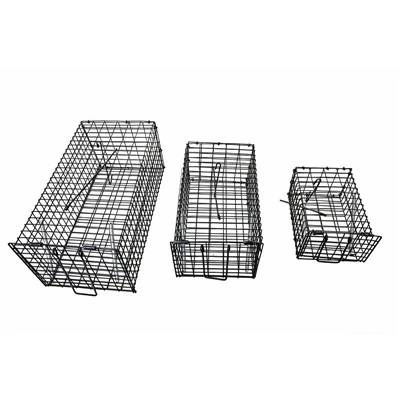
In conclusion, troubleshooting a plastic live trap involves checking the placement, baiting, trap mechanics, and considering the environment. With a little patience and some simple adjustments, you can usually get the trap working again. And if all else fails, I’m here to support you.
Rat Trap Let’s work together to keep those unwanted critters at bay!
References
- Common Animal Bait Preferences – Local Pest Control Guides
- Effects of Weather on Trap Performance – University of Agricultural Studies
Hebei Chuheng Trading Co., Ltd.
As one of the most professional plastic live trap suppliers in China, our products have good reputation in the market. Please rest assured to buy discount plastic live trap made in China here and get quotation from our factory. We also accept customized orders.
Address: Room 1803, Unit 2, Building No.17 Canglongfudi, No.295 DongGang Road, ShiJiaZhuang, HeBei, China.
E-mail: info@hbchuheng.com
WebSite: https://www.hbchuheng.com/
