How does decking bamboo handle foot traffic?
As a supplier of decking bamboo, I’ve been asked numerous times about how well our bamboo decking withstands foot traffic. It’s a crucial question, especially since decks are often high – traffic areas in residential and commercial settings. In this blog, I’ll delve into the science and practical aspects of how decking bamboo handles foot traffic, drawing on both industry knowledge and real – world experience. Decking Bamboo
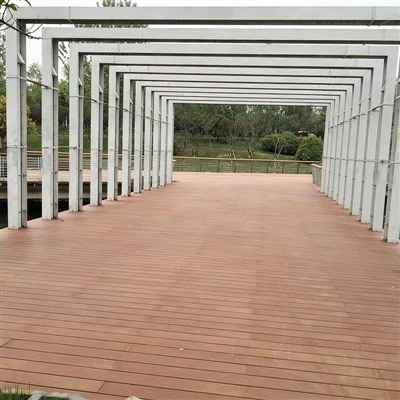
A Sustainable and Durable Choice
To begin with, bamboo is an incredibly sustainable resource. It’s one of the fastest – growing plants on the planet, with some species capable of growing up to 91 centimeters (36 inches) in a single day. This rapid growth means that bamboo can be harvested more frequently than traditional hardwoods, making it an environmentally friendly option for decking.
But the question remains: how does it hold up under the constant pounding of feet? The answer lies in bamboo’s unique cellular structure. Bamboo is a grass, and its fibers are arranged in a way that gives it remarkable strength. The long, parallel fibers run the length of the bamboo culm, providing excellent resistance to bending and compression. This structural advantage allows bamboo decking to handle heavy foot traffic without significant wear and tear.
Testing the Limits: Bamboo vs. Traditional Decking Materials
To better understand bamboo’s performance, let’s compare it with some commonly used decking materials, such as hardwoods and composite decking.
Hardwoods
Hardwoods like oak and teak are known for their durability. However, they come with a hefty environmental price tag due to slow growth rates. In terms of hardness, bamboo can rival many hardwoods. On the Janka hardness scale, which measures a wood’s resistance to indentation, some species of bamboo exceed that of red oak. This means that bamboo can withstand the same level of foot traffic as red oak without succumbing to dents as easily.
Composite Decking
Composite decking is made from a mixture of wood fibers and plastics. It’s often promoted as a low – maintenance alternative to wood decking. While composite decking can handle foot traffic well, it has its drawbacks. It can become hot under the sun, making it uncomfortable to walk on barefoot. Additionally, over time, composite decking can fade and show signs of surface wear. Bamboo, on the other hand, has a natural temperature – regulating quality. It stays cooler underfoot than composite decking, providing a more comfortable walking experience.
Real – World Performance
In real – world applications, I’ve seen our bamboo decking perform exceptionally well in high – traffic areas. For example, we supplied bamboo decking for a beachside resort. The deck was used by hundreds of guests every day, often walking on it with sandy feet. Despite the constant use and exposure to saltwater and sand, the bamboo decking showed minimal signs of wear after several years.
The key to its longevity in this environment was a combination of proper installation and regular maintenance. Our team ensured that the decking was installed with adequate spacing to allow for ventilation and drainage. This prevented water from pooling on the surface, which could lead to mold and rot. Additionally, the resort staff followed our recommended maintenance schedule, which included periodic cleaning and the application of a protective sealant.
Surface Traction and Safety
Another important aspect of decking is surface traction, especially in areas where spills or moisture may be present. Bamboo decking offers good slip resistance, thanks to its natural texture. The uneven surface of the bamboo provides more grip for feet, reducing the risk of slips and falls.
However, it’s important to note that the level of traction can be affected by factors such as the finish applied to the decking and the presence of contaminants on the surface. To maintain optimal safety, it’s recommended to clean the deck regularly and re – apply a non – slip finish as needed.
Maintenance for Long – Term Performance
To ensure that bamboo decking continues to handle foot traffic well over the long term, proper maintenance is essential. Here are some tips:
- Regular Cleaning: Sweep the deck regularly to remove dirt, leaves, and other debris. This helps prevent scratches and damage to the surface.
- Occasional Washing: Use a mild detergent and water to wash the deck periodically. Avoid using harsh chemicals, as they can damage the bamboo’s natural finish.
- Sealing: Apply a protective sealant every 1 – 2 years to preserve the decking’s appearance and durability. The sealant helps prevent moisture absorption and protects the bamboo from UV rays.
Conclusion and Call to Action
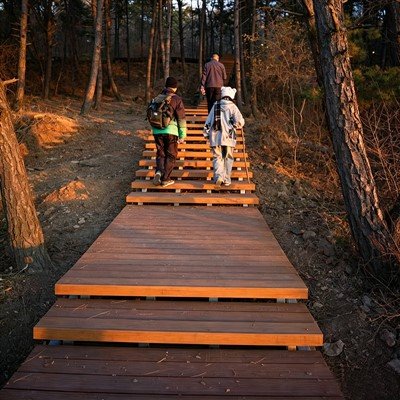
In conclusion, decking bamboo is an excellent choice for high – traffic areas. Its unique cellular structure, comparable hardness to hardwoods, and natural anti – slip properties make it a durable and safe option for decks. Whether it’s a residential backyard or a commercial outdoor space, bamboo decking can withstand the rigors of daily foot traffic.
Decking Bamboo If you’re in the market for high – quality decking bamboo, I encourage you to reach out to me. We offer a wide range of bamboo decking products, and I’d be more than happy to discuss your specific needs and provide you with a customized solution. Contact me to start a conversation about your next decking project.
References
- “Bamboo for Sustainable Building: Structural and Envelope Applications.” GreenSpec, 2019.
- “Hardwood vs. Composite Decking.” Journal of Building and Construction Materials, 2020.
- “The Science of Bamboo’s Strength.” International Bamboo and Rattan Organization, 2018.
Fujian Jingmingsheng Forestry Technology Co., Ltd.
As one of the most professional decking bamboo manufacturers and suppliers in China, we offer a wide range of products with superior quality. With abundant experience, we warmly welcome you to wholesale bulk decking bamboo in stock here from our factory. Customized orders are welcome.
Address: No. 1, Daban, Fuzhuang, Xiyang Town, Yongan City, Sanming City, Fujian Province
E-mail: 17759790120@163.com
WebSite: https://www.jingangzhu.com/
