Adjusting the viscosity of hot melt adhesive is a crucial aspect in various industries where bonding solutions are required. As a hot melt adhesive supplier, I’ve witnessed firsthand how the right viscosity can make or break a project. In this blog, I’ll share some insights on how to adjust the viscosity of hot melt adhesive effectively. Hot Melt Adhesive

Understanding Viscosity in Hot Melt Adhesives
Before delving into the adjustment methods, it’s essential to understand what viscosity is and why it matters in hot melt adhesives. Viscosity refers to a fluid’s resistance to flow. In the context of hot melt adhesives, it describes how easily the adhesive can be applied and spread onto a surface. A high – viscosity adhesive is thick and offers more body, making it suitable for vertical applications where dripping needs to be avoided. On the other hand, a low – viscosity adhesive is thin and flows more freely, which is ideal for applications that require fine – line dispensing or penetration into porous materials.
The viscosity of hot melt adhesives is influenced by several factors, including the type of polymer used, the presence of additives, and the temperature at which the adhesive is applied. Different polymers have inherent viscosities, and the choice of polymer can significantly affect the final viscosity of the adhesive. Additives such as tackifiers, waxes, and plasticizers can also modify the viscosity. For example, tackifiers generally increase the viscosity, while waxes can lower it. Temperature is a critical factor as well; as the temperature of the hot melt adhesive increases, its viscosity decreases.
Methods to Adjust Viscosity
Temperature Control
One of the most straightforward ways to adjust the viscosity of hot melt adhesive is by controlling the temperature. As mentioned earlier, hot melt adhesives are thermoplastic, which means their viscosity changes with temperature. When the adhesive is heated, the polymer chains become more mobile, and the adhesive becomes less viscous. Conversely, when the adhesive cools down, the polymer chains start to lock together, and the viscosity increases.
The optimum temperature for viscosity adjustment depends on the specific type of hot melt adhesive. For example, ethylene – vinyl acetate (EVA) based hot melt adhesives typically have an application temperature range of 160 – 190°C. By increasing the temperature within this range, the viscosity of EVA hot melt adhesive can be reduced for easier application. However, it’s important not to overheat the adhesive as it can cause thermal degradation, which may lead to a change in the adhesive’s properties, such as reduced bonding strength and increased tackiness.
When using temperature to adjust viscosity, it’s crucial to have a reliable heating system. A well – calibrated hot melt adhesive applicator can precisely control the temperature of the adhesive. Modern applicators are equipped with temperature sensors and controllers that ensure the adhesive is maintained at the desired temperature throughout the application process.
Additives
Additives play a significant role in adjusting the viscosity of hot melt adhesives. There are several types of additives commonly used in the industry.
Tackifiers: These are resins that are added to hot melt adhesives to increase their tack or stickiness. In addition to enhancing tack, tackifiers also tend to increase the viscosity of the adhesive. They work by interacting with the polymer chains in the adhesive, making them more entangled and thus increasing the resistance to flow. For example, rosin – based tackifiers are widely used in hot melt adhesives. The amount of tackifier added can be adjusted to achieve the desired viscosity. However, adding too much tackifier can lead to a brittle adhesive with reduced flexibility.
Waxes: Waxes are often used to lower the viscosity of hot melt adhesives. They act as lubricants between the polymer chains, reducing the intermolecular forces and allowing the chains to move more freely. Paraffin wax and microcrystalline wax are commonly used in hot melt adhesives. The addition of wax can also improve the open time of the adhesive, which is the time during which the adhesive remains tacky and can form a bond. However, too much wax can reduce the bonding strength of the adhesive.
Plasticizers: Plasticizers are another type of additive that can be used to adjust viscosity. They work by increasing the flexibility of the polymer chains, which in turn reduces the viscosity of the adhesive. Plasticizers can also improve the low – temperature performance of the adhesive. For example, phthalate – based plasticizers were commonly used in the past, but due to environmental concerns, alternative plasticizers such as adipates and citrates are now more popular.
Polymer Selection
The choice of polymer is fundamental in determining the viscosity of hot melt adhesives. Different polymers have different molecular structures and properties, which directly affect the viscosity.
Ethylene – Vinyl Acetate (EVA): EVA is one of the most commonly used polymers in hot melt adhesives. It offers a good balance of adhesion, flexibility, and processability. The viscosity of EVA – based hot melt adhesives can be adjusted by varying the vinyl acetate content. A higher vinyl acetate content generally results in a lower – viscosity adhesive with better adhesion to polar substrates.
Polyolefins: Polyolefin – based hot melt adhesives, such as polyethylene and polypropylene, are known for their excellent chemical resistance and high – temperature performance. They typically have higher viscosities compared to EVA – based adhesives. However, by using copolymers or blends of polyolefins, the viscosity can be adjusted to meet specific application requirements.
Polyamides: Polyamide hot melt adhesives are used in applications where high – strength bonding and heat resistance are required. They have relatively high viscosities, but the viscosity can be modified by using different types of polyamides or by adding additives.
Practical Considerations in Viscosity Adjustment
When adjusting the viscosity of hot melt adhesives, it’s important to consider the specific application requirements. For example, in the packaging industry, a low – viscosity adhesive may be preferred for high – speed carton sealing applications to ensure fast and efficient bonding. In the automotive industry, where structural bonding is required, a high – viscosity adhesive may be necessary to provide sufficient strength and support.
It’s also important to test the adhesive after viscosity adjustment. Conducting bond strength tests, peel tests, and shear tests can help ensure that the adjusted adhesive meets the performance requirements. Additionally, environmental factors such as humidity and temperature can affect the bonding performance of the adhesive, so it’s essential to conduct tests under relevant environmental conditions.
Conclusion
Adjusting the viscosity of hot melt adhesives is a multi – faceted process that involves understanding the properties of the adhesive, selecting the right polymers and additives, and controlling the temperature. By carefully adjusting the viscosity, you can ensure that the hot melt adhesive meets the specific requirements of your application, whether it’s for packaging, woodworking, automotive, or other industries.
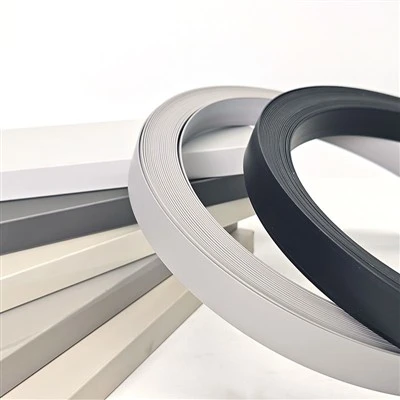
PVC Edge Banding As a hot melt adhesive supplier, I’m committed to providing high – quality products and technical support to help you achieve the best results. If you’re facing challenges in adjusting the viscosity of your hot melt adhesives or are looking for a reliable adhesive solution, I encourage you to reach out to start a purchasing discussion. Our team of experts is ready to assist you in finding the most suitable adhesive for your needs.
References
- Zweifel, Hans. "Plastics Additives Handbook." Hanser Publications, 2009.
- Mittal, K. L. "Hot Melt Adhesives: From Basics to Applications." CRC Press, 1992.
- Hull, Diane. "Adhesives and Surface Preparation: Technology, Applications and Manufacturing." Butterworth – Heinemann, 2005.
Linyi Meador New Materials Co., Ltd.
As one of the most experienced hot melt adhesive manufacturers and suppliers in China, we offer a wide range of products with superior quality. We warmly welcome you to buy bulk premium hot melt adhesive from our factory. Good service and punctual delivery are available.
Address: Meidu New Materials, No. 66 Zhenxing Road, Tanyi Town, Feixian County, Linyi City, Shandong Province
E-mail: meador@zohomail.cn
WebSite: https://www.meadorfactory.com/
