Safety edges are ingenious safety devices designed to prevent accidents and injuries in a wide array of industrial and commercial settings. As a safety edge supplier, I often encounter inquiries about the practicality and applicability of these products in various scenarios. One such question that has piqued my interest is whether safety edges can be used in wheelchair ramps. In this blog post, I’ll dive into the technical aspects, benefits, and potential challenges of using safety edges in wheelchair ramps and discuss why they might be a smart addition to your accessibility infrastructure. Safety Edge
Understanding Safety Edges
Before we delve into their use in wheelchair ramps, let’s first understand what safety edges are and how they work. Safety edges are flexible, rubberized strips equipped with a sensitive activation mechanism. When a certain amount of pressure is applied, the safety edge sends a signal to stop the movement of a door, gate, or any other moving object. This rapid response is crucial in preventing entrapment, collisions, and other potential hazards.
Safety edges are typically made of high – quality rubber compounds that can withstand harsh environmental conditions, including exposure to sunlight, rain, and temperature fluctuations. They come in a variety of shapes and sizes, making them adaptable to different applications. Many safety edges also have built – in IP (Ingress Protection) ratings, which indicate their level of protection against dust and water, ensuring reliable performance over an extended period.
The Need for Safety in Wheelchair Ramps
Wheelchair ramps are essential for providing accessibility to buildings and public spaces. However, they also present several safety risks. For example, wheelchair users may accidentally roll off the edge of the ramp, especially if the ramp is situated at a high elevation or near a hazardous area such as a staircase or a parking lot. Additionally, people pushing wheelchairs may lose control and veer off the side, potentially causing injury to the wheelchair user or themselves.
Moreover, in wet or icy conditions, the surface of the ramp can become slippery, increasing the risk of falls. The edges of the ramp can be particularly dangerous, as a small misstep can lead to a serious accident. Therefore, enhancing the safety of wheelchair ramps is of utmost importance to ensure the well – being of all users.
How Safety Edges Can Enhance Wheelchair Ramp Safety
Safety edges can play a significant role in improving the safety of wheelchair ramps in several ways.
1. Preventing Falls
By installing safety edges along the sides of the wheelchair ramp, a physical barrier is created that can prevent wheelchairs from accidentally rolling off the edge. The soft and flexible nature of the safety edge means that it won’t cause damage to the wheelchair or injure the user if a collision occurs. Instead, it will absorb the impact and gently redirect the wheelchair back onto the ramp.
2. Providing Tactile Guidance
Safety edges can also serve as tactile indicators for wheelchair users. The raised profile of the safety edge can be felt by the wheels of the wheelchair, giving the user a clear indication of the ramp’s boundaries. This is especially useful for visually impaired individuals, who rely on tactile cues to navigate their environment safely.
3. Slip Resistance
Many safety edges are designed with a slip – resistant surface. When installed on a wheelchair ramp, this can help prevent slips and falls, particularly in wet or icy conditions. The textured surface of the safety edge provides additional grip for the wheels of the wheelchair, as well as for people’s feet if they are walking up or down the ramp.
4. Weather Resistance
As mentioned earlier, safety edges are made from durable rubber compounds that are resistant to weathering. This means they can withstand exposure to sunlight, rain, snow, and extreme temperatures without deteriorating. In a wheelchair ramp environment, where the edges are constantly exposed to the elements, this durability ensures long – term performance and reliability.
Technical Considerations for Installing Safety Edges on Wheelchair Ramps
While the benefits of using safety edges on wheelchair ramps are clear, there are several technical considerations that need to be taken into account during the installation process.
1. Compatibility
The safety edge must be compatible with the material and design of the wheelchair ramp. For example, if the ramp is made of wood, the safety edge should be able to be securely attached to the wooden surface. Similarly, if the ramp is made of metal or concrete, the appropriate mounting hardware and installation methods need to be used.
2. Height and Width
The height and width of the safety edge should be carefully selected to ensure that it provides adequate protection without causing any obstruction. The safety edge should be high enough to prevent wheelchairs from rolling over it but not so high that it becomes a tripping hazard for pedestrians. The width of the safety edge should also be sufficient to absorb the impact of a collision.
3. Installation Method
Proper installation is crucial for the effective performance of the safety edge. The safety edge should be installed along the entire length of the ramp’s edge, ensuring there are no gaps or weak points. The installation process may involve using adhesives, screws, or mechanical fasteners, depending on the type of safety edge and the ramp material.
Potential Challenges and How to Overcome Them
There are also some potential challenges associated with using safety edges in wheelchair ramps.
1. Maintenance
Like any other safety device, safety edges require regular maintenance to ensure their continued performance. This may include cleaning the surface of the safety edge to remove dirt and debris, inspecting for any signs of damage or wear, and replacing any worn – out parts. However, with proper maintenance guidelines and a reliable maintenance schedule, these issues can be easily managed.
2. Cost
The initial cost of purchasing and installing safety edges on wheelchair ramps may be a concern for some organizations or individuals. However, it’s important to consider the long – term benefits in terms of enhanced safety, reduced risk of accidents, and potential liability savings. In many cases, the cost of safety edges is a relatively small investment compared to the potential costs associated with a serious accident.
Conclusion

In conclusion, safety edges can be a valuable addition to wheelchair ramps. They offer numerous benefits, including preventing falls, providing tactile guidance, offering slip resistance, and withstanding harsh weather conditions. Although there are some technical considerations and potential challenges, these can be effectively addressed with proper planning, installation, and maintenance.
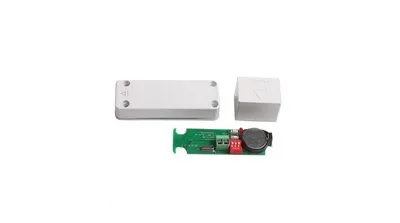
Sensor Processor As a safety edge supplier, I am committed to providing high – quality safety edges that are specifically designed to meet the unique needs of wheelchair ramp applications. If you are interested in enhancing the safety of your wheelchair ramps with safety edges, I encourage you to get in touch with me. We can discuss your specific requirements, provide you with detailed product information, and assist you with the installation process. Ensuring the safety of wheelchair ramp users is not only a legal obligation but also a moral one, and safety edges can play a crucial role in achieving this goal.
References
- "Safety Standards for Wheelchair Ramps", International Association of Accessibility Professionals
- "Technical Guide to Safety Edges", European Union Safety Equipment Manufacturers’ Association
- "Accessible Design: Best Practices for Wheelchair Ramps", American Institute of Architects
Ningbo Futai Safety Edge Technology Co., Ltd.
Ningbo Futai Safety Edge Technology Co., Ltd. is one of the most professional safety edge manufacturers and suppliers in China, also supports customized service. Please feel free to buy advanced safety edge in stock here from our factory. Contact us for free sample and discount information.
Address: No. 1116, Beihuan West Road, Jiangbei District, Ningbo City, Zhejiang Province
E-mail: info@safety-edge.com
WebSite: https://www.safety-edge.com/
