As a seasoned supplier in the sheet metal machining industry, I often get asked about how to calculate the cost of sheet metal machining. It’s a crucial question for both manufacturers and clients, as understanding the cost breakdown helps in budgeting, pricing products competitively, and making informed decisions. In this blog post, I’ll share my insights on the key factors that influence the cost of sheet metal machining and provide a step – by – step guide on how to calculate it. Sheet Metal Machining

Factors Affecting the Cost of Sheet Metal Machining
1. Material Cost
The type and grade of the sheet metal are the primary determinants of material cost. Common materials used in sheet metal machining include steel, aluminum, copper, and stainless steel. Each material has different properties and costs associated with it.
- Steel: It is a widely used material due to its strength and affordability. However, the cost of steel can vary depending on its carbon content, alloying elements, and finish. For example, low – carbon steel is generally less expensive than high – strength alloy steel.
- Aluminum: Aluminum is popular for its lightweight and corrosion – resistant properties. The cost of aluminum can fluctuate based on market demand and purity. High – purity aluminum alloys tend to be more expensive.
- Copper: Copper offers excellent electrical conductivity and is often used in electrical components. The price of copper is influenced by global market trends and its specific grade.
- Stainless Steel: Stainless steel is known for its corrosion resistance and aesthetic appeal. Different grades of stainless steel, such as 304 and 316, have different costs, with more corrosion – resistant grades being pricier.
The thickness and size of the sheet metal also affect the material cost. Thicker sheets generally cost more per unit area, and larger sheets require more material, increasing the overall cost.
2. Machining Processes
The complexity and type of machining processes required play a significant role in determining the cost. Some common sheet metal machining processes include:
- Cutting: Cutting processes such as laser cutting, plasma cutting, and shearing are used to separate the sheet metal into the desired shape. Laser cutting is more precise but can be more expensive than shearing, especially for large – scale production.
- Bending: Bending processes are used to create angles and curves in the sheet metal. The number of bends, the angle of the bends, and the complexity of the bending pattern all affect the cost. Complex bending operations may require specialized tools and more time, increasing the cost.
- Punching: Punching is used to create holes or shapes in the sheet metal. The cost of punching depends on the number of holes, the size of the holes, and the complexity of the punching pattern.
- Welding: Welding is used to join multiple pieces of sheet metal together. The type of welding process (e.g., MIG welding, TIG welding) and the length of the welds influence the cost.
3. Labor Cost
Labor cost includes the wages of the workers involved in the sheet metal machining process, from operators to quality control personnel. The skill level required for the job, the time taken to complete the work, and the local labor market conditions all affect the labor cost. Highly skilled workers who can operate advanced machinery and perform complex tasks usually command higher wages.
4. Tooling and Equipment Costs
Specialized tools and equipment are needed for sheet metal machining. The cost of purchasing, maintaining, and replacing these tools and equipment is factored into the overall cost. For example, a custom – made die for a stamping operation can be quite expensive, and its cost needs to be amortized over the production volume.
5. Overhead Costs
Overhead costs include expenses such as rent, utilities, insurance, and administrative costs. These costs are spread across all the products manufactured in the facility and are also included in the cost of sheet metal machining.
6. Quantity and Production Volume
The quantity of parts to be produced has a significant impact on the cost. In general, the cost per part decreases as the production volume increases. This is because some costs, such as tooling and setup costs, can be spread over a larger number of parts. For small – scale production, the cost per part may be higher due to the relatively high fixed costs.
Step – by – Step Guide to Calculating the Cost of Sheet Metal Machining
Step 1: Determine the Material Cost
- Select the Material: Based on the requirements of the project, choose the appropriate sheet metal material and grade.
- Calculate the Material Area: Measure the length and width of the sheet metal required for the part. Multiply the length by the width to get the area. If the part has a complex shape, you may need to use more advanced measurement techniques.
- Find the Material Price per Unit Area: Check with your suppliers to get the current price per square inch or square meter of the selected material. Multiply the material area by the price per unit area to get the total material cost.
Step 2: Estimate the Machining Process Costs
- List the Required Processes: Identify all the machining processes needed to fabricate the part, such as cutting, bending, punching, and welding.
- Determine the Process Time: Estimate the time required for each process. This can be based on the complexity of the operation, the speed of the machinery, and the operator’s skill level.
- Calculate the Process Cost: Multiply the process time by the hourly rate of the machinery and the labor involved in each process. Add up the costs of all the processes to get the total machining process cost.
Step 3: Account for Labor Cost
- Calculate the Total Labor Time: Add up the labor time required for all the operations, including setup, machining, and quality control.
- Determine the Labor Rate: Based on the local labor market and the skill level of the workers, determine the hourly labor rate.
- Calculate the Total Labor Cost: Multiply the total labor time by the labor rate.
Step 4: Include Tooling and Equipment Costs
- Identify Tooling Needs: Determine the specialized tools and equipment required for the project, such as dies, punches, and fixtures.
- Estimate Tooling and Equipment Costs: Calculate the cost of purchasing, maintaining, and replacing the tools and equipment. If the tooling is a one – time cost, amortize it over the production volume.
Step 5: Add Overhead Costs
- Determine the Overhead Rate: Calculate the overhead rate as a percentage of the total direct costs (material cost + machining process cost + labor cost).
- Calculate the Overhead Cost: Multiply the total direct costs by the overhead rate to get the overhead cost.
Step 6: Consider Quantity and Production Volume
- Volume – Based Pricing: If you are producing multiple parts, calculate the cost per part based on the total cost divided by the production volume. Take advantage of economies of scale by increasing the production volume if possible.
Step 7: Calculate the Total Cost
- Add up all the costs from steps 1 to 6 to get the total cost of sheet metal machining for the project.
Conclusion
Calculating the cost of sheet metal machining is a complex process that involves considering multiple factors, including material cost, machining processes, labor cost, tooling and equipment costs, overhead costs, and production volume. By understanding these factors and following the step – by – step guide, you can accurately estimate the cost of your sheet metal machining projects.
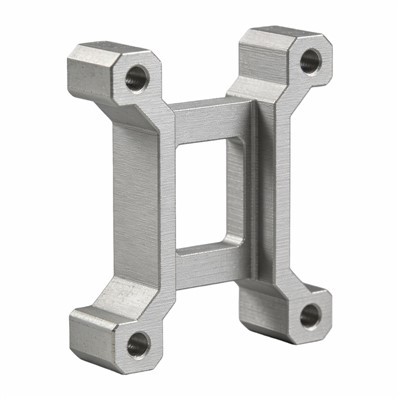
As a sheet metal machining supplier, we are committed to providing high – quality products at competitive prices. Our experienced team uses advanced techniques and state – of – the – art equipment to ensure the best results for your projects. Whether you are looking for a one – off custom part or large – scale production, we can help you optimize your cost while maintaining the highest standards of quality.
SLA/SLS 3D Printing Service If you are interested in our sheet metal machining services, we encourage you to reach out to us for a detailed quote and to discuss your specific requirements. We look forward to working with you on your next project.
References
- ASM Handbook, Volume 14C: Metalworking: Sheet Forming. ASM International.
- Manufacturing Engineering and Technology by Serope Kalpakjian and Steven R. Schmid. Pearson.
- Sheet Metal Design Handbook by B.R. Pamadi. McGraw – Hill.
Shenzhen Jingcheng Dingyi Forming Technology Co., Ltd.
Shenzhen Jingcheng Dingyi Forming Technology Co., Ltd. is one of the most professional sheet metal machining manufacturers and suppliers in China, also supports customized service with low price. Please feel free to buy bulk cheap sheet metal machining from our factory. For quotation, contact us now.
Address: 1st Floor, Building 3, Huafeng Zhenbao Industrial Park, No.137 Shihuan Road, ShiYan Town, Bao’An District, ShenZhen, PRC
E-mail: 13071475061@163.com
WebSite: https://www.jctop-cnc.com/
