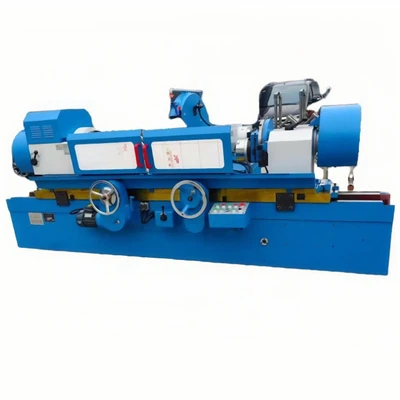
Hey there! I’m a supplier of conventional milling machines, and I know how annoying vibrations can be. They not only mess with the quality of your work but can also wear down your machine over time. So, in this blog, I’m gonna share some tips on how to reduce vibrations in a conventional milling machine. Conventional Milling Machine
Understanding the Causes of Vibrations
Before we dive into the solutions, let’s take a quick look at what causes vibrations in the first place. There are a few main culprits:
- Imbalanced Tools: If your milling cutter isn’t balanced properly, it can cause vibrations. This is because the uneven weight distribution creates a centrifugal force that makes the cutter wobble as it spins.
- Loose Components: Loose bolts, nuts, or other components can also lead to vibrations. When the machine is running, these loose parts can rattle around and cause the whole machine to shake.
- Poor Machine Setup: Incorrect alignment, improper cutting parameters, or a lack of proper support can all contribute to vibrations. For example, if the workpiece isn’t held firmly in place, it can move around during the cutting process and cause vibrations.
- Worn-Out Parts: Over time, the parts of your milling machine can wear out. This can include the bearings, belts, or gears. When these parts are worn, they can cause the machine to vibrate.
Tips to Reduce Vibrations
Now that we know what causes vibrations, let’s talk about how to reduce them. Here are some tips that I’ve found to be effective:
1. Balance Your Tools
One of the most important things you can do to reduce vibrations is to balance your milling cutters. You can use a tool balancer to check the balance of your cutters and make any necessary adjustments. If you don’t have a tool balancer, you can take your cutters to a professional who can balance them for you.
2. Tighten Loose Components
Regularly check your milling machine for loose bolts, nuts, and other components. Make sure everything is tightened properly. You can use a torque wrench to ensure that you’re tightening the bolts to the correct specification. This will help prevent the parts from rattling around and causing vibrations.
3. Improve Machine Setup
- Alignment: Make sure your milling machine is properly aligned. This includes the spindle, the table, and the workpiece. You can use alignment tools to check and adjust the alignment as needed.
- Cutting Parameters: Use the correct cutting parameters for your workpiece and tool. This includes the cutting speed, feed rate, and depth of cut. Using the wrong parameters can cause the cutter to chatter and create vibrations.
- Workpiece Support: Ensure that your workpiece is held firmly in place. You can use clamps, vises, or other fixtures to secure the workpiece. This will prevent it from moving around during the cutting process and causing vibrations.
4. Replace Worn-Out Parts
If you notice that your machine is vibrating more than usual, it could be a sign that some of the parts are worn out. Check the bearings, belts, and gears for signs of wear and replace them if necessary. Using worn-out parts can not only cause vibrations but can also lead to other problems with your machine.
5. Use Anti-Vibration Pads
Anti-vibration pads can be placed under the milling machine to absorb some of the vibrations. These pads are made of materials like rubber or neoprene and can help reduce the amount of vibration that is transferred to the floor. This can also help reduce the noise level of the machine.
6. Optimize the Cutting Process
- Chip Management: Make sure you’re managing the chips properly. If the chips build up around the cutter, it can cause the cutter to bind and create vibrations. You can use a chip conveyor or other chip management system to remove the chips from the cutting area.
- Tool Selection: Choose the right tool for the job. Different tools are designed for different materials and cutting operations. Using the wrong tool can cause the cutter to wear out quickly and create vibrations.
Monitoring and Maintenance
Reducing vibrations isn’t a one-time thing. You need to regularly monitor your machine and perform maintenance to keep the vibrations at bay. Here are some things you can do:
- Regular Inspections: Check your machine regularly for signs of wear, loose components, or other issues. This will help you catch problems early and prevent them from getting worse.
- Lubrication: Make sure all the moving parts of your machine are properly lubricated. This will help reduce friction and wear, which can in turn reduce vibrations.
- Cleaning: Keep your machine clean. Dirt and debris can build up on the machine and cause it to vibrate. You can use a clean cloth or a compressed air gun to clean the machine.
Conclusion

Reducing vibrations in a conventional milling machine is essential for improving the quality of your work and extending the life of your machine. By following the tips I’ve shared in this blog, you can minimize vibrations and get the most out of your milling machine.
CNC Slant Bed Lathe If you’re in the market for a conventional milling machine or need some advice on reducing vibrations, feel free to reach out. I’d be happy to help you find the right solution for your needs. Let’s have a chat and see how we can work together to improve your machining operations.
References
- Machinery’s Handbook, 31st Edition
- Cutting Tool Engineering Magazine
- ASME Standards for Machine Tools
Henan Rowdai Machinery Equipment Co., Ltd.
As one of the most professional conventional milling machine manufacturers in China, we’re featured by quality products and good price. Please rest assured to buy high-grade conventional milling machine for sale here from our factory. If you have any enquiry about cooperation, please feel free to email us.
Address: Building 9, E-Commerce Industrial Park, High-Tech Zone, Zhengzhou, Henan, China
E-mail: rowdai@rowdai.com
WebSite: https://www.rowdai.com/
