Hey there! I’m a supplier of ductless fume hoods, and I often get asked if these bad boys can be used in classrooms. It’s a super important question, especially considering the safety and well – being of students and teachers. So, let’s dive right in and explore this topic. Ductless Fume Hoods
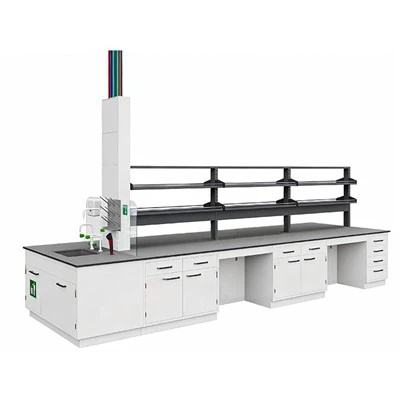
First off, let’s talk about what ductless fume hoods are. Unlike traditional ducted fume hoods that need a connection to an external exhaust system, ductless fume hoods work by filtering the air inside the hood and recirculating it back into the room. They’re pretty nifty because they’re more flexible to install and can be moved around if needed.
Now, when it comes to classrooms, there are a few key factors we need to consider.
Safety
Safety is always the top priority. In a classroom setting, students are often doing science experiments that might involve chemicals. Ductless fume hoods can be a great option here. They’re designed to capture and filter harmful fumes, vapors, and particulates. For example, if students are working with volatile organic compounds (VOCs) like acetone or ethanol, the fume hood can suck in the fumes and trap them in the filters.
The filters in ductless fume hoods are usually made up of different layers. There’s an activated carbon filter that can adsorb organic chemicals, and sometimes there are also HEPA filters to catch dust and other small particles. This means that the air coming out of the fume hood is cleaner and safer to breathe.
But, we have to be careful. If the filters aren’t changed regularly, they can become saturated and stop working effectively. So, it’s important for schools to have a maintenance schedule in place. Teachers and school staff should also be trained on how to use the fume hood properly, like making sure the sash is at the right height and not overloading the hood with too many chemicals at once.
Cost – effectiveness
Let’s face it, schools are always on a tight budget. Ductless fume hoods can be a cost – effective solution. They don’t require expensive ductwork installation, which can save a lot of money. Also, they use less energy compared to ducted fume hoods because they’re not constantly pulling air out of the building. This can lead to lower utility bills over time.
For smaller schools or classrooms with limited funds, ductless fume hoods can be a great way to provide a safe environment for students to conduct experiments without breaking the bank.
Flexibility
In a classroom, things can change. Maybe the school wants to rearrange the lab space or move the fume hood to a different room. Ductless fume hoods are much more flexible in this regard. They can be easily moved and set up in a new location without the need for major construction work.
This is especially useful for schools that have multiple classes using the same lab space. The fume hood can be adjusted to fit the needs of different experiments and teaching styles.
Limitations
Of course, ductless fume hoods aren’t perfect. They have some limitations. One big limitation is the capacity of the filters. If a large amount of chemicals are being used, the filters might get saturated quickly. This means that the fume hood might not be able to effectively remove all the harmful substances from the air.
Also, ductless fume hoods are better suited for certain types of chemicals. They work great for low – to medium – level chemical use. But if you’re dealing with highly toxic or corrosive chemicals, a ducted fume hood might be a better option.
Case studies
I’ve seen a few schools using ductless fume hoods in their classrooms, and the results have been pretty positive. For example, a local high school installed ductless fume hoods in their chemistry lab. The teachers reported that the students were able to conduct experiments more safely, and the air quality in the lab improved significantly.
Another middle school used ductless fume hoods in their science classrooms. They found that the flexibility of the fume hoods allowed them to easily adapt to different teaching activities. The cost – savings were also a big plus for the school administration.
Recommendations
If you’re a school considering using ductless fume hoods in your classrooms, here are some recommendations:
- Assess your needs: Figure out what types of experiments will be conducted in the classroom. If it’s mostly low – level chemical use, ductless fume hoods are probably a good fit.
- Invest in quality filters: Make sure to use high – quality filters and change them regularly. This will ensure that the fume hood works effectively.
- Train your staff: Teachers and lab assistants should be trained on how to use the fume hood properly. This includes understanding the correct sash height, how to load chemicals safely, and when to change the filters.
Conclusion
So, can ductless fume hoods be used in classrooms? The answer is yes, in many cases. They offer a safe, cost – effective, and flexible solution for schools. However, it’s important to be aware of their limitations and take the necessary steps to ensure their proper use.
Ducted Fume Hoods If you’re interested in learning more about ductless fume hoods for your school, I’d love to have a chat. Just reach out to me, and we can discuss your specific needs and how our products can fit into your classroom environment.
References
- "Laboratory Ventilation Best Practices", National Institute for Occupational Safety and Health (NIOSH)
- "Guidelines for Safe Use of Fume Hoods in Educational Settings", American Chemical Society (ACS)
HAMECC(Shanghai) Lab Solutions Co., Ltd.
We’re well-known as one of the leading ductless fume hoods manufacturers and suppliers in China, featured by quality products and good price. Please rest assured to buy customized ductless fume hoods made in China here from our factory.
Address: Building 1, No. 2222, Huancheng Road, Jiading District, Shanghai
E-mail: info@hamecc.com
WebSite: https://www.hamecc.com/
